Back

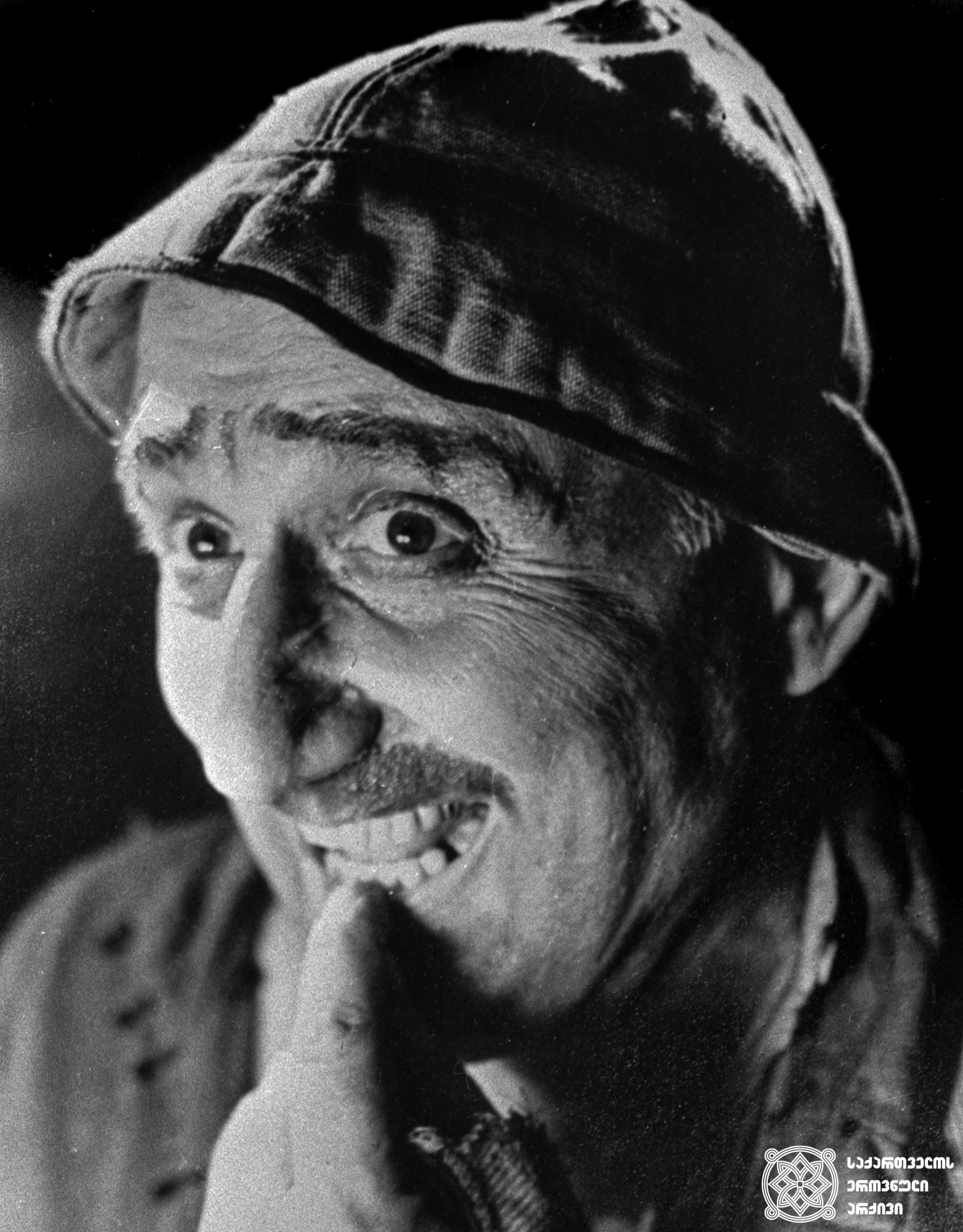
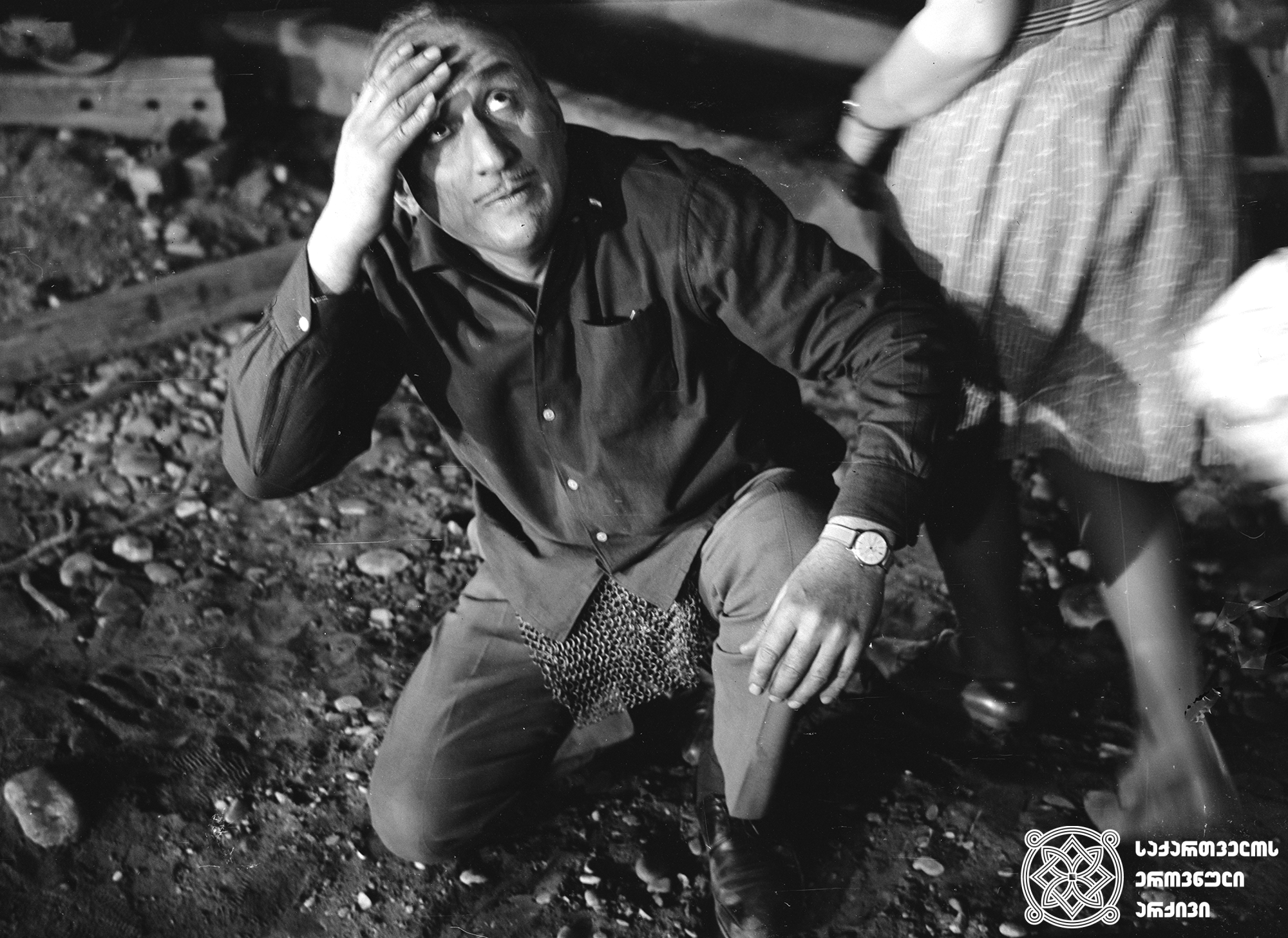
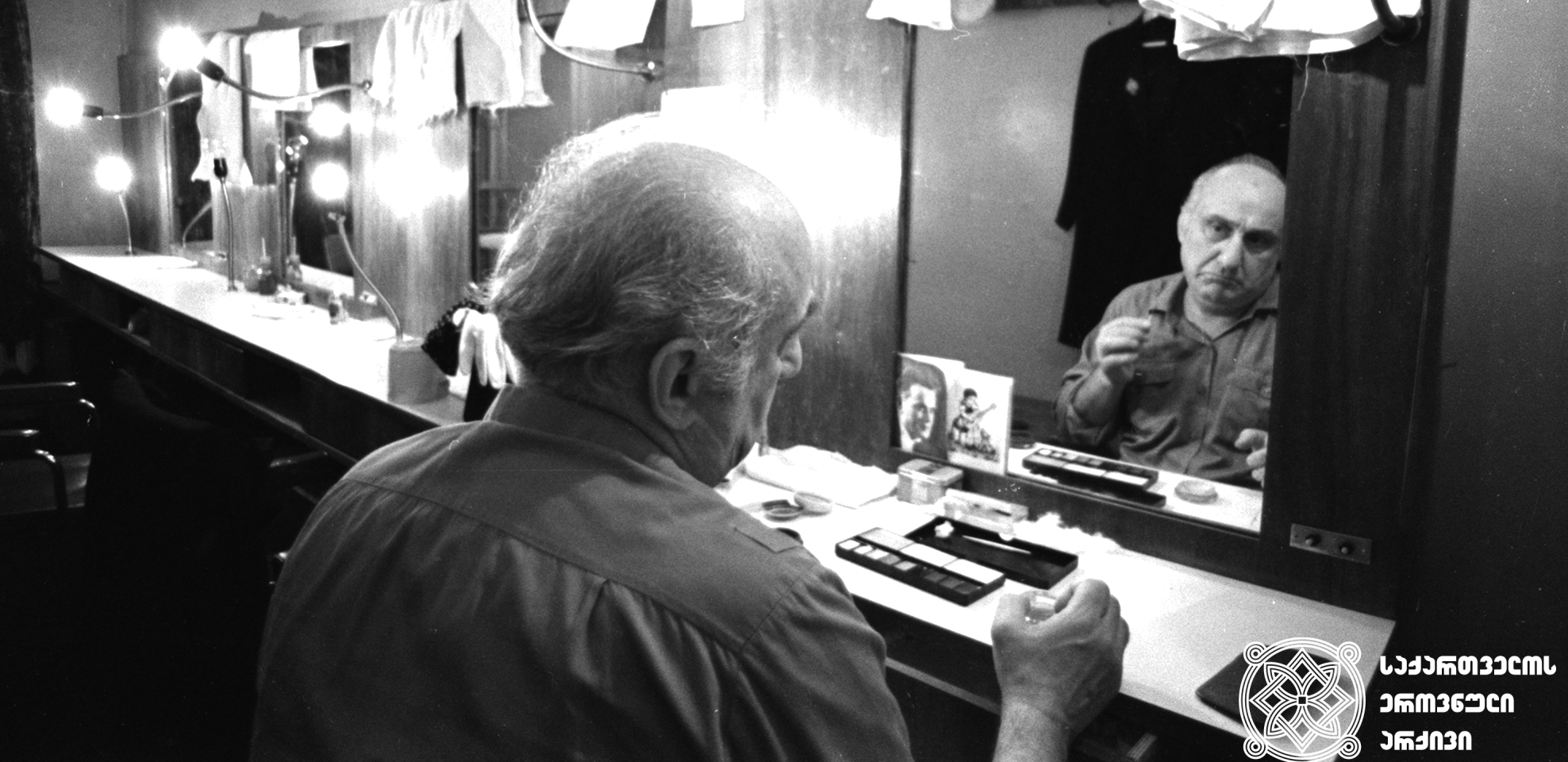
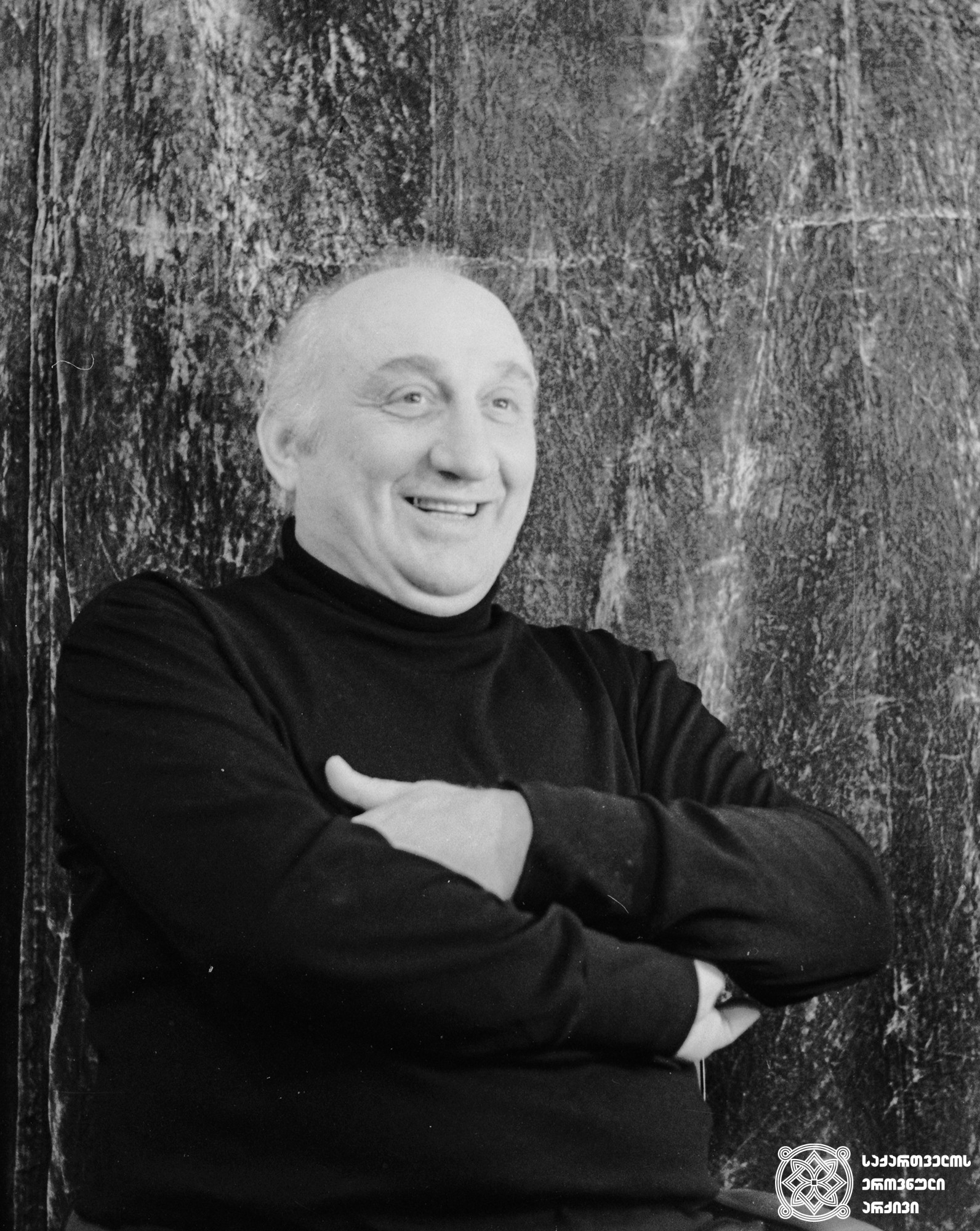
In the photograph: Erosi Manjgaladze in the dressing room of the Shota Rustaveli Drama Theatre, 1979. Photograph by Givi Nakhutsrishvili

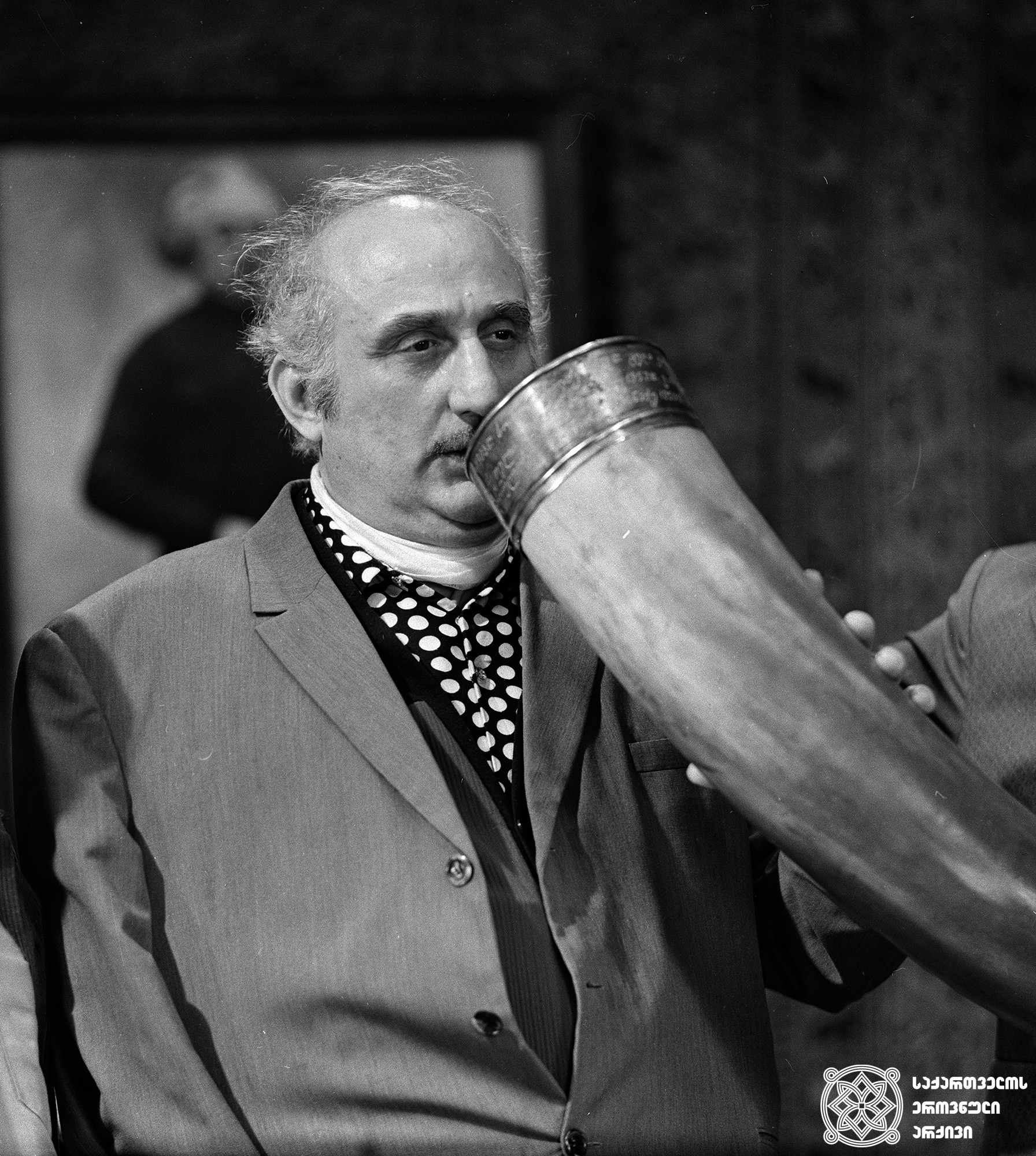
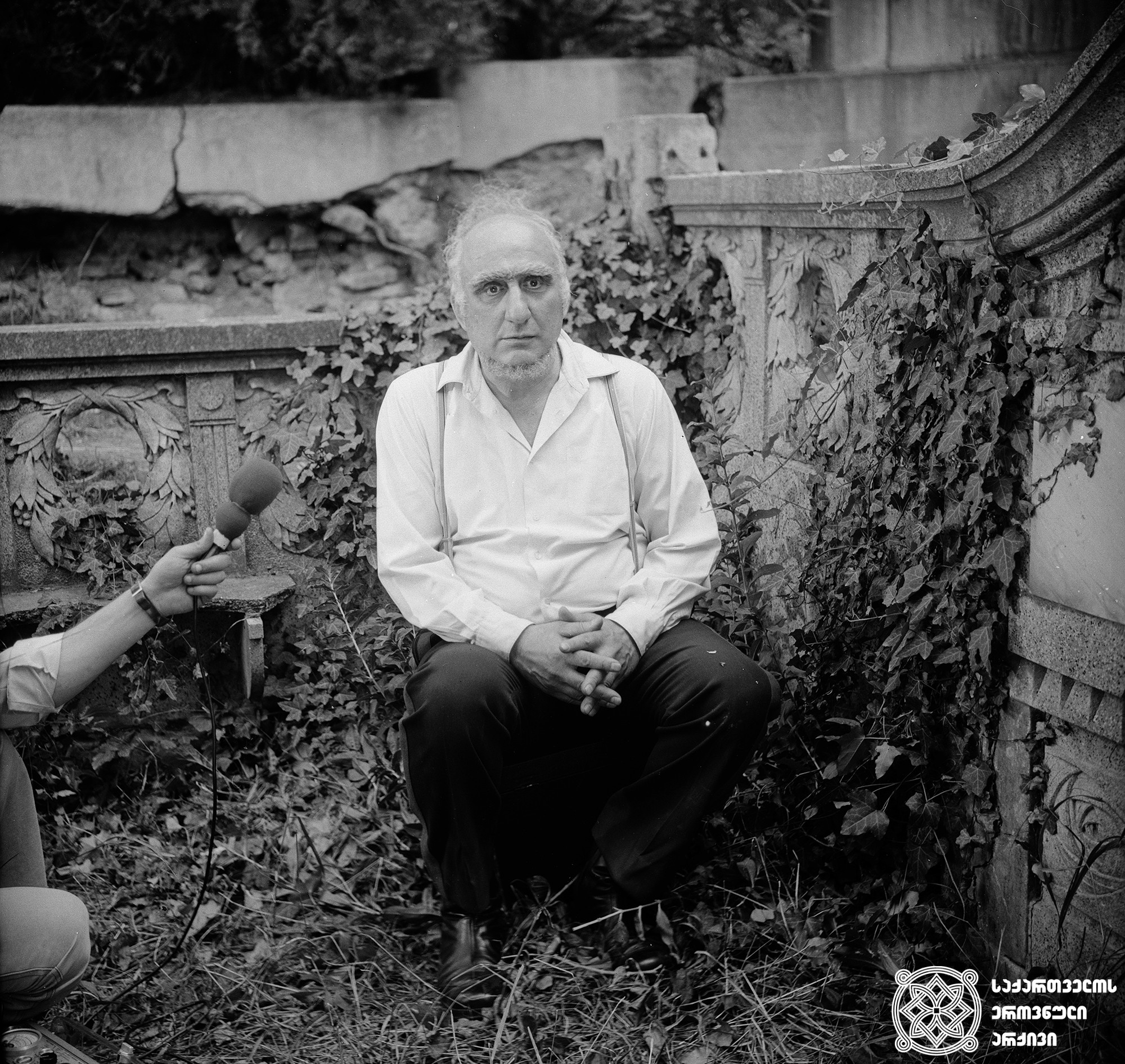
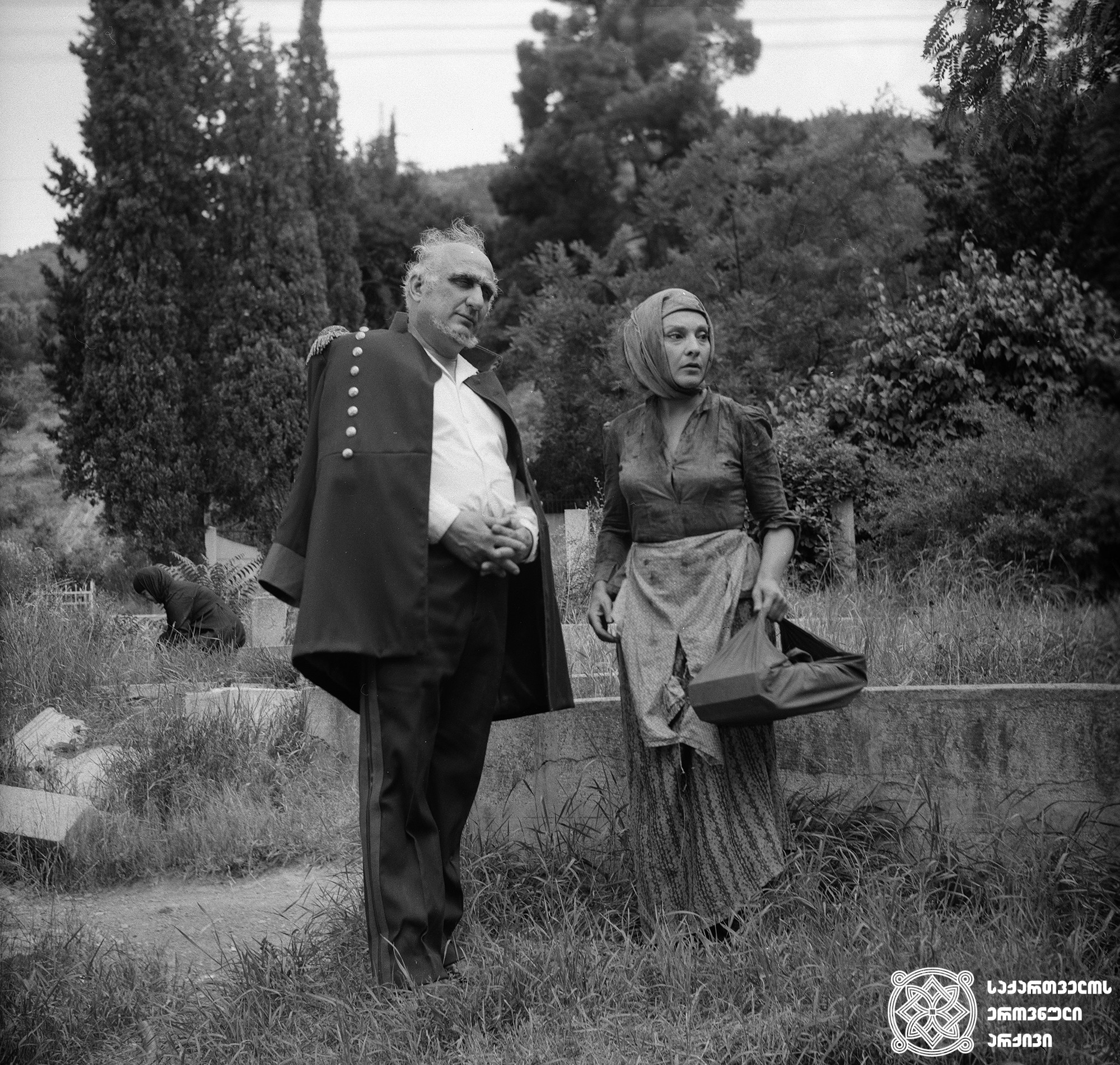
Erosi Manjgaladze was born on October 21, 1925 (March 3, according to his birth record) in the village of Ghaniri, Samtredia Municipality. He spent his early childhood in Ghaniri. He was seven years old when his family moved to Tbilisi.

“Erosi was deeply affected by memories of his childhood. Something most delicate within him would stir whenever we mentioned those years. They were the happiest years of his life, yet he rarely spoke about his childhood. He would sometimes recite a line by Giorgi Chaladideli, and his eyes would fill with tears:

‘I remember when, for the first time,

they got me ready to go to school’...

‘I cannot recall these lines without becoming emotional,’ he would say. At such moments, he was overcome by a profound nostalgia. It was not merely the sadness of looking back on childhood; it was something more. Perhaps this was because he had suddenly lost his childhood. His mother, Tamar, fell from a tree and was confined to her bed for the rest of her life. For him, this marked the beginning of an entirely different life — a life filled with great hardship and burdens,’ –
writes Vasil Kiknadze in his book *Our Erosi* (1990).

The actor’s sister, Bella Manjgaladze, recalls:


“Erosi performed his first role at the age of six. In a children’s play staged at the village school, he played a rabbit. He wore a white costume, had large ears on his head, and hopped around the stage. Everyone enjoyed his performance.

When we moved from the village to Tbilisi, we often went to the theatre. Our family loved the theatre. In his youth, Erosi had never considered becoming an actor. At first, he wanted to be a mathematician. Later, he dreamed of a military career. However, it was not the military profession itself that attracted him, but rather the officers’ uniforms. At that time, military personnel wore insignia on their collars. Officers had diamonds of various sizes and colours sewn onto them. Erosi liked these diamond-shaped insignia and wanted to wear them himself.

Erosi was in the tenth grade when actors from the Rustaveli Theatre staged the play ‘Rghveva’ at his school. Erosi performed so well that the actors of the Rustaveli Theatre were impressed by his acting and told our father that he should become an actor. Erosi abandoned his plans to become a military doctor and enrolled in the acting department of the Theatre Institute.”

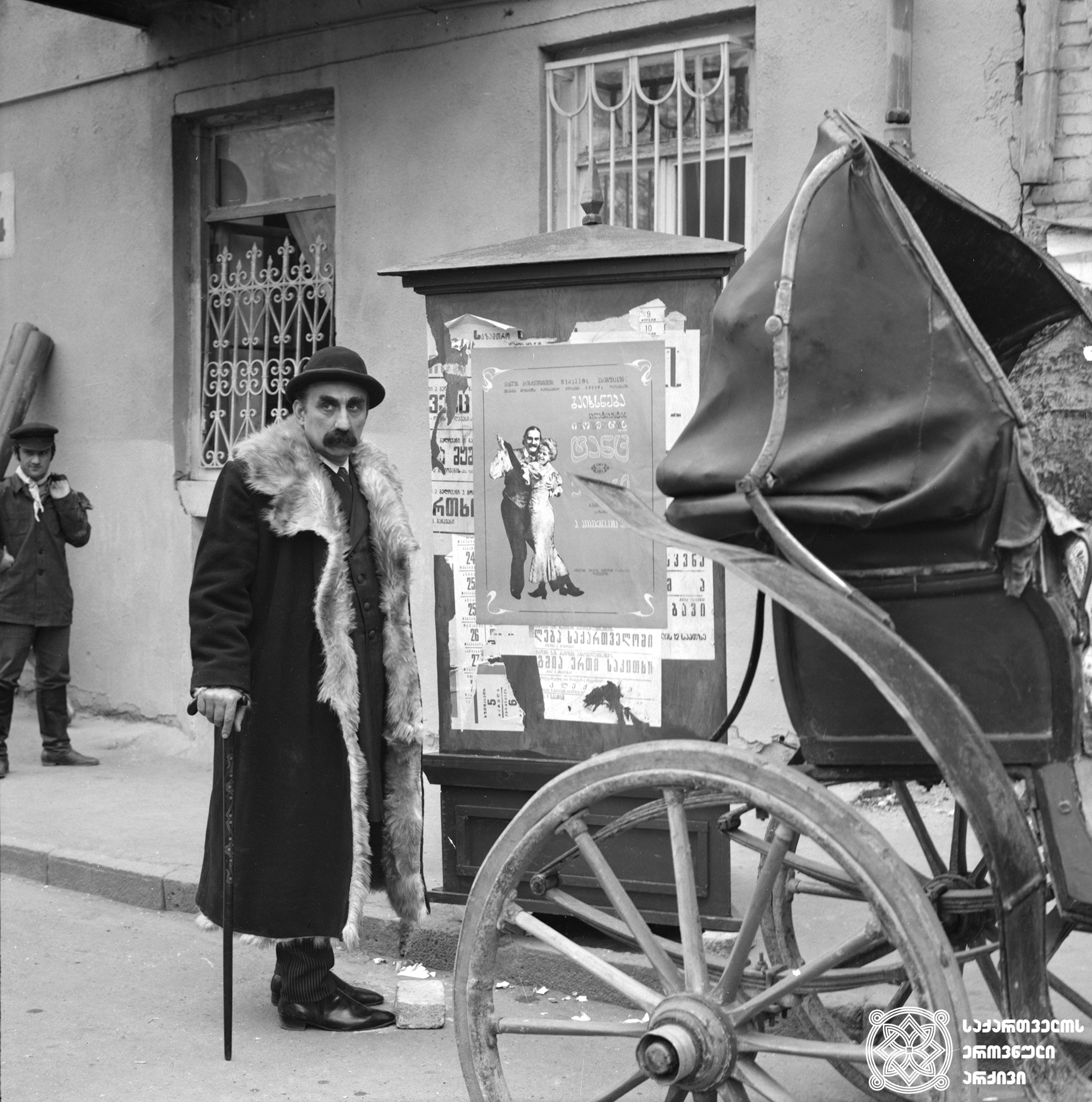
“He was 17 when the Radio Committee held a competition for announcers. My brother won among 32 contestants and began working at the radio. From then on, he became the head of our family. Our father had already been arrested, and our mother was bedridden, so Erosi took care of the family. Because of his work at the Radio Committee, he often missed lectures at the Theatre Institute. Thanks to his talent, he managed to establish himself on stage in his third year. Giorgi Tovstonogov staged Gorky’s *The Petty Bourgeois*. He invited Erosi to play the role of Teterev. His first performance brought him his first recognition, although his full-fledged debut came after he graduated from the institute, in the play *Deep Roots*. At that time, every theatrical production had to be reviewed by the Central Committee of the Communist Party. Even the wording of the theatre posters was subject to scrutiny. Censorship was the responsibility of the Central Committee’s Ideology Department, headed by Shaduri. When Shaduri was presented with the text of the poster, ready for printing, he rejected it. The Central Committee secretary did not like the name of the actor playing the leading role. He argued that the name Erosi was unsuitable for a Soviet actor, as it was the name of a Greek god. ‘Let us write Erasti instead of Erosi,’ he suggested. Erosi was furious and refused to perform in the play altogether. Eventually, the Central Committee came up with a compromise. They shortened Erosi’s name on the poster and wrote ‘Er. Manjgaladze’ instead.”
In 1948, he became an actor at the Shota Rustaveli Academic Theatre, where he continued to work until the end of his life

Erosi Manjgaladze’s Personnel Record Form, completed on 25 March 1948

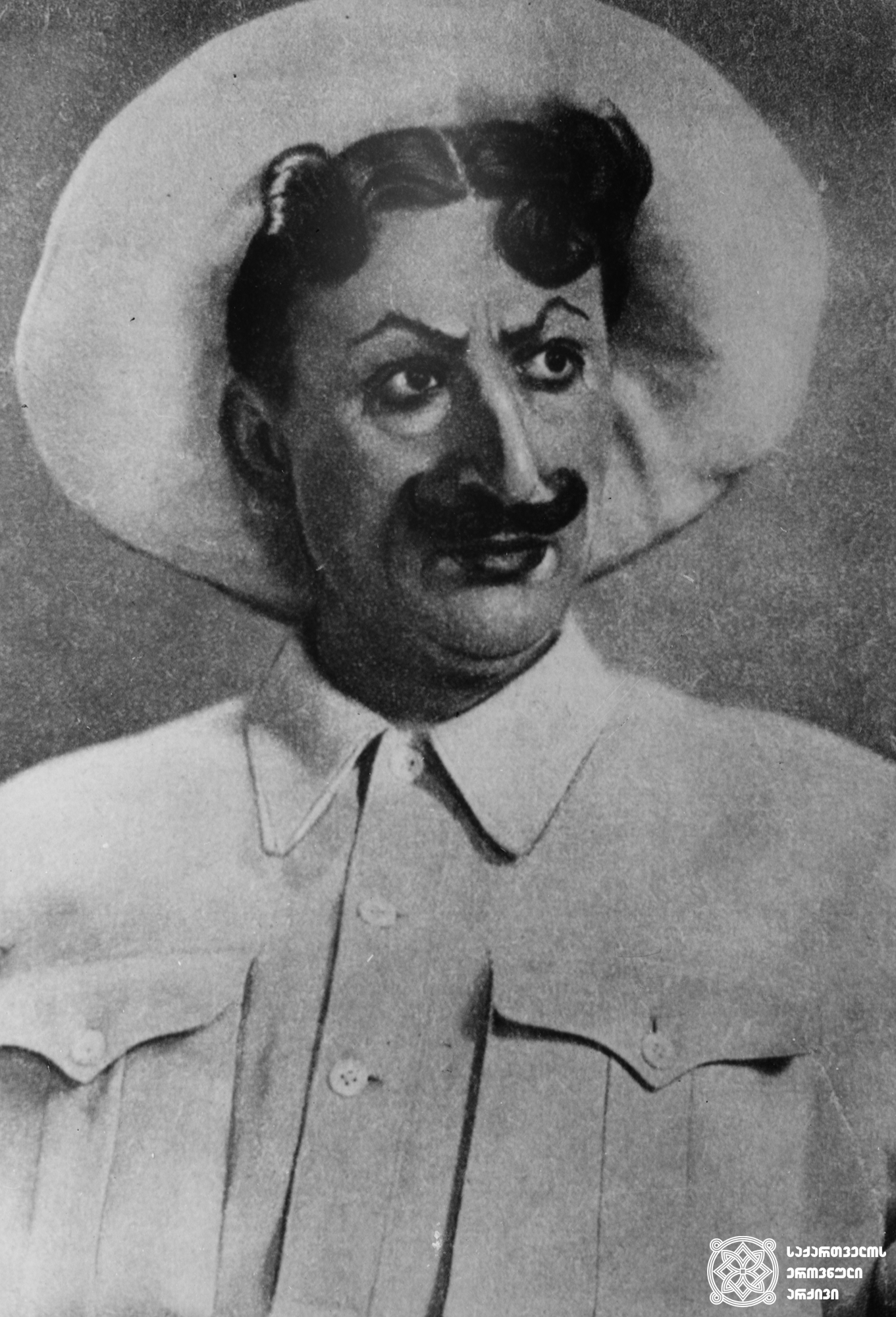
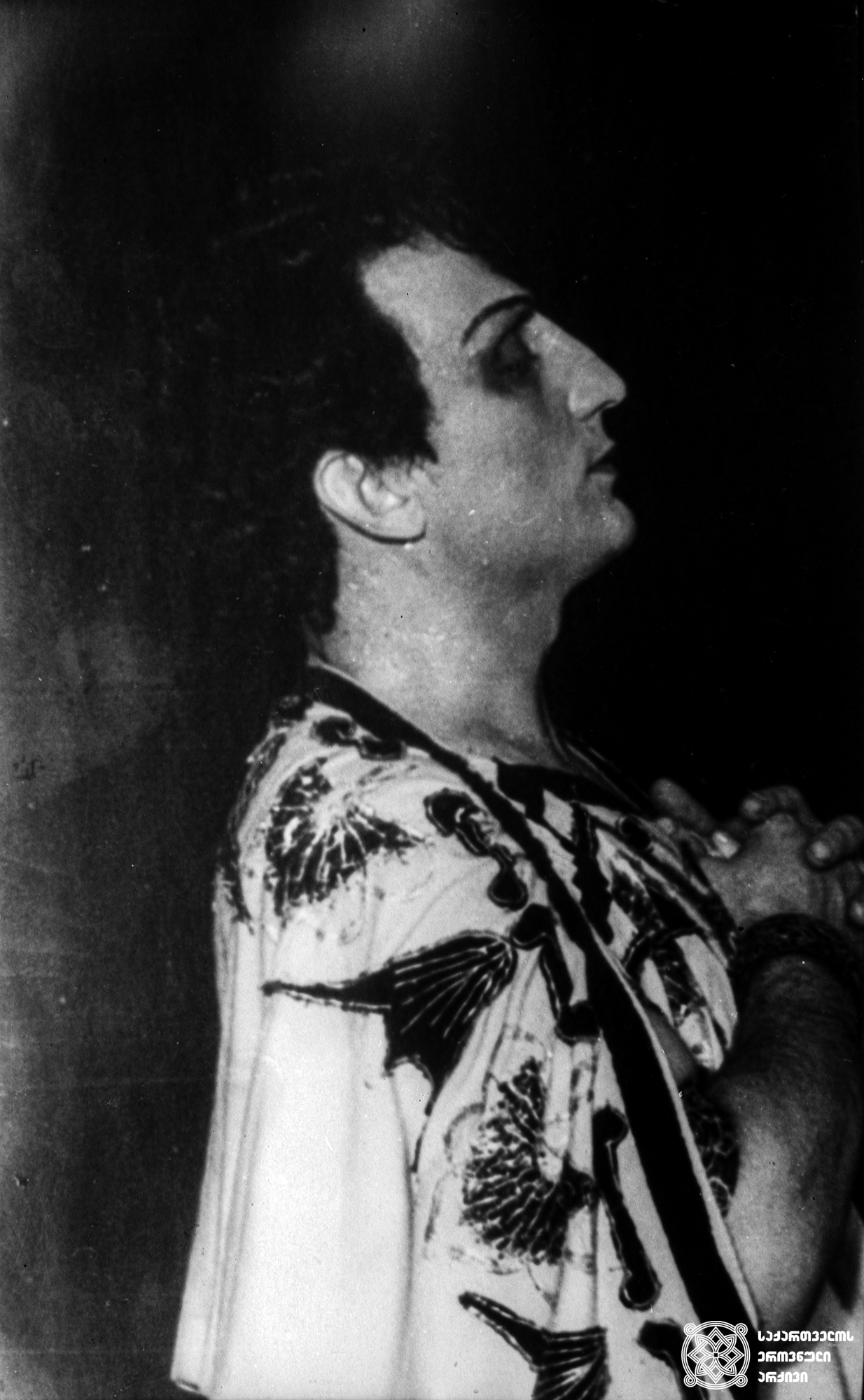
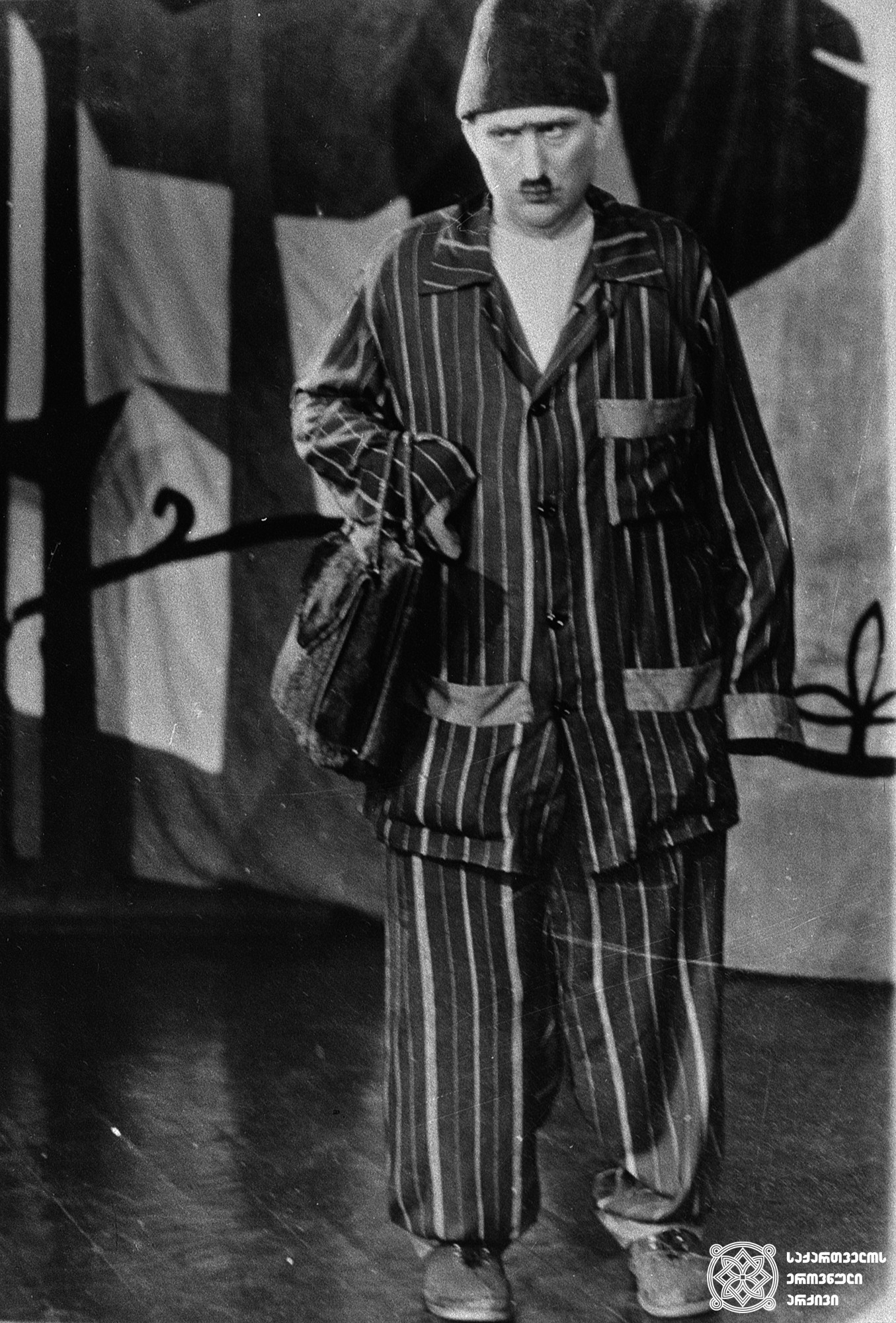
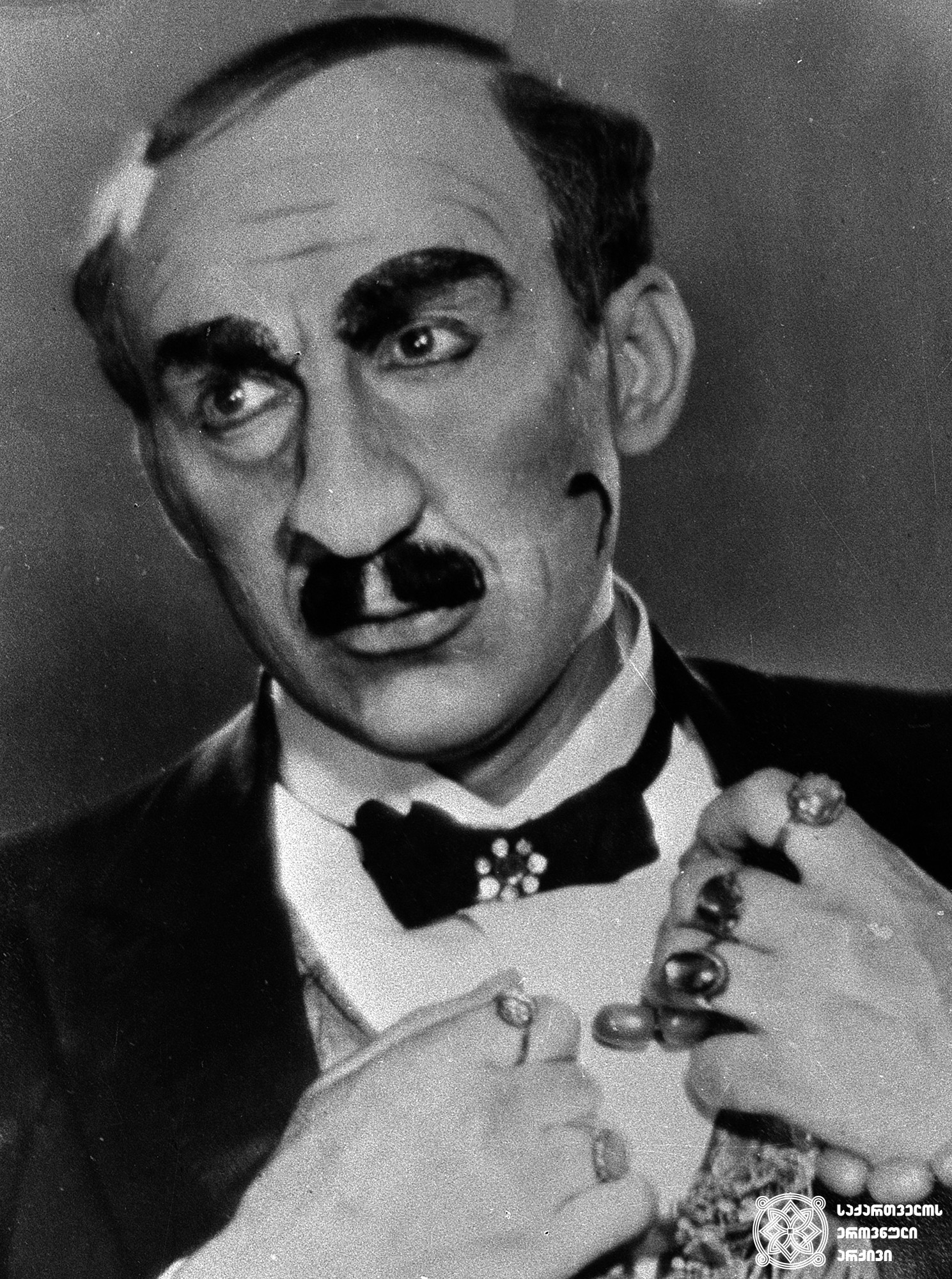
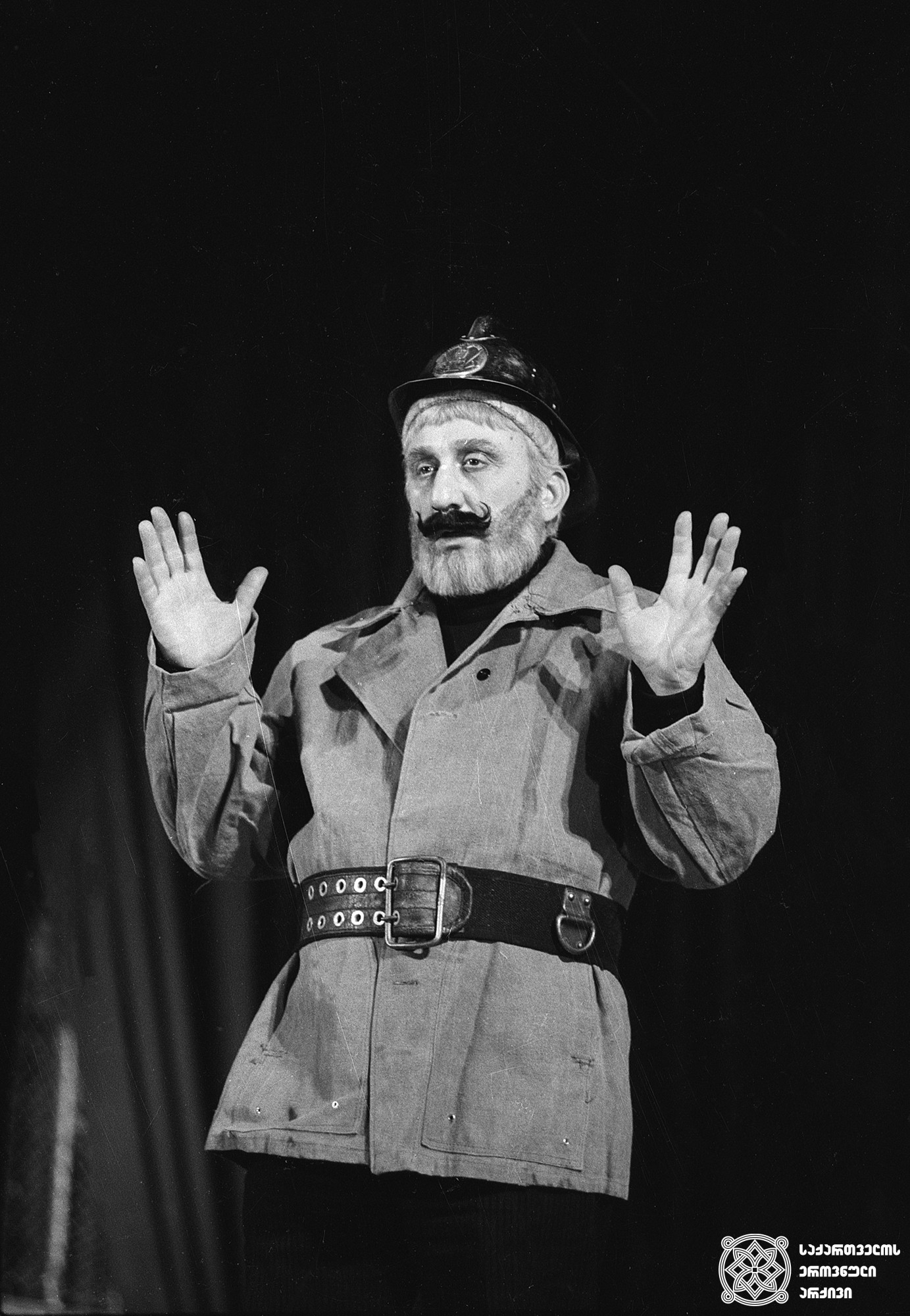
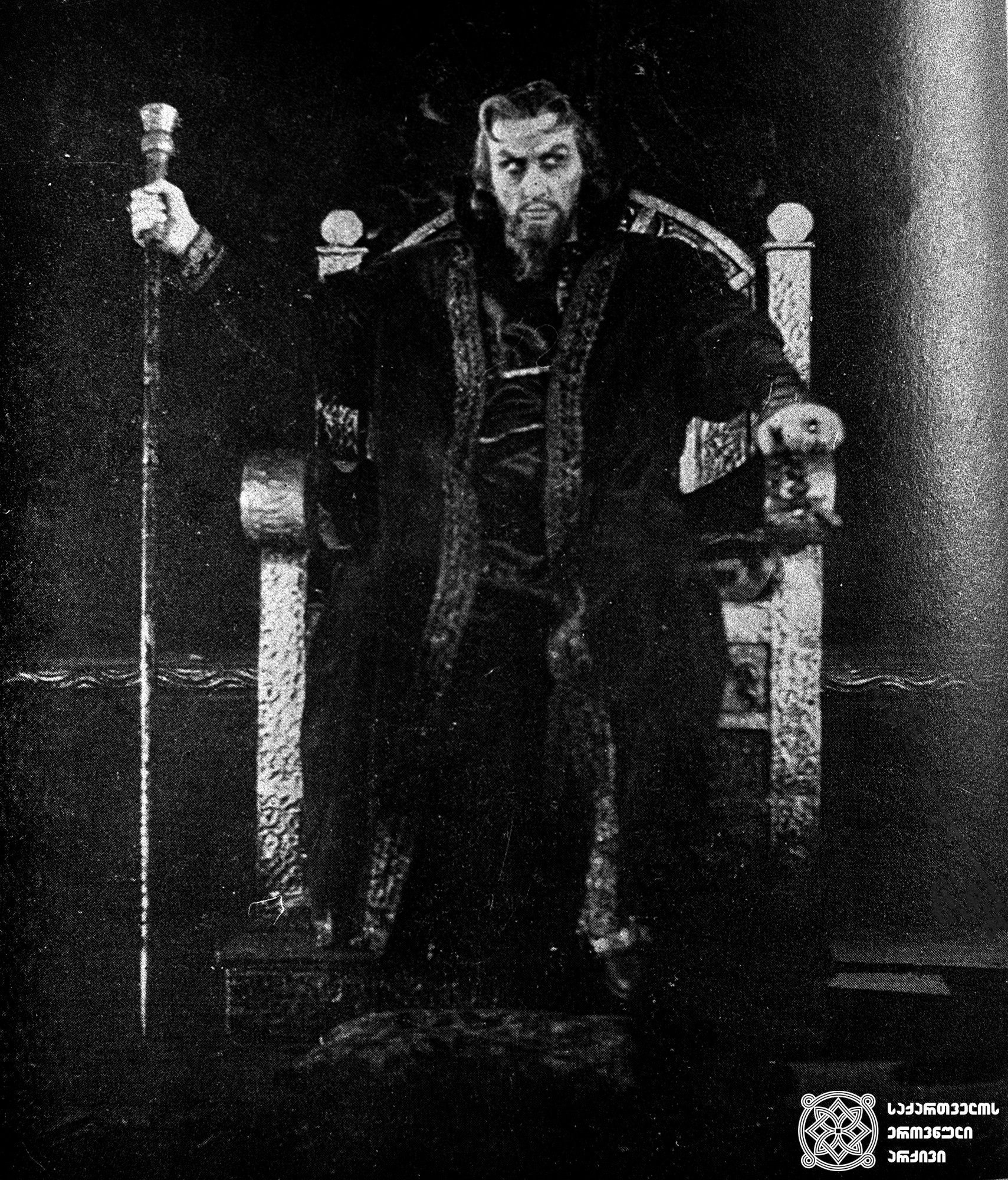
Erosi Manjgaladze performed in more than 20 productions at the Shota Rustaveli Drama Theatre

A newsreel report on the premiere of the play Chinchraka.

Narration by Erosi Manjgaladze.

1963.

The film journal Soviet Georgia.

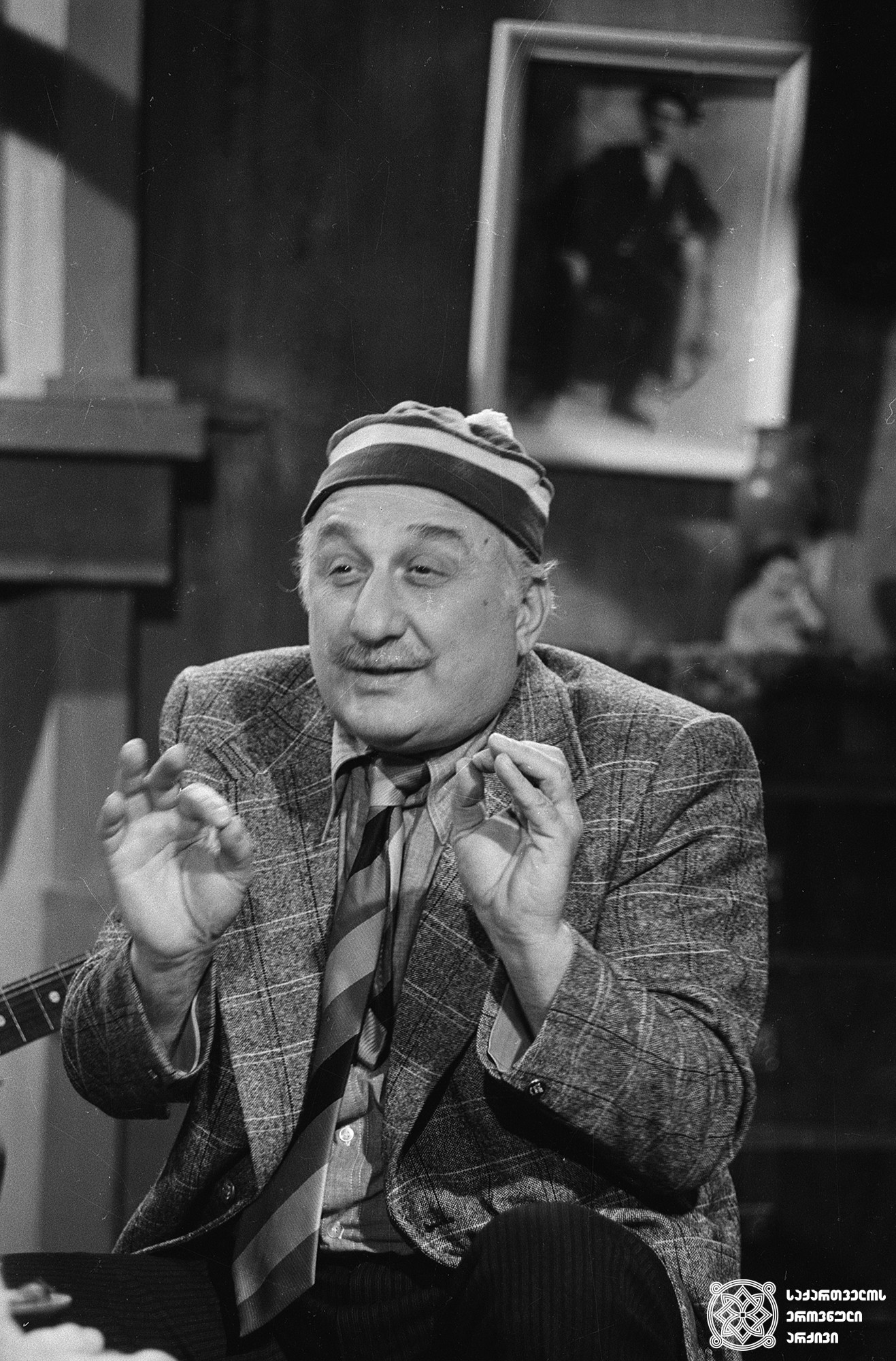
Erosi Manjgaladze also gave outstanding performances in television productions

Erosi Manjgaladze as Azdak.
The play “The Caucasian Chalk Circle”, directed by Robert Sturua.
An excerpt from Nana Jorjadze’s documentary film “Erosi Manjgaladze”.
1983.

Sports commentary was another profession of Erosi Manjgaladze. He made a significant contribution to the development of sports broadcasting.

Actor and sports commentator Kote Makharadze:

“Erosi would say just one line, for example, in Kvevri. He had a tiny role, but his line, ‘Man, I am Samchkuashvili, not God, am I?’ remained unforgettable. It was not a major role, nor was it a great achievement for Erosi, but that line endured!

How many memorable phrases came from his sports commentaries! ‘The dead have raised a living wall!’ he said of our Dinamo players, and there were so many others like it... He was blessed with a divine voice. Dodo Abashidze used to say that Erosi did not speak with his mouth, but that honey flowed from it! His voice was extraordinarily velvety, deep and powerful...

Was Erosi a fortunate man? Judging by his theatrical triumphs, undoubtedly, he was one of the happiest! He was the first among us to forge a great path, and he was a true leader...”
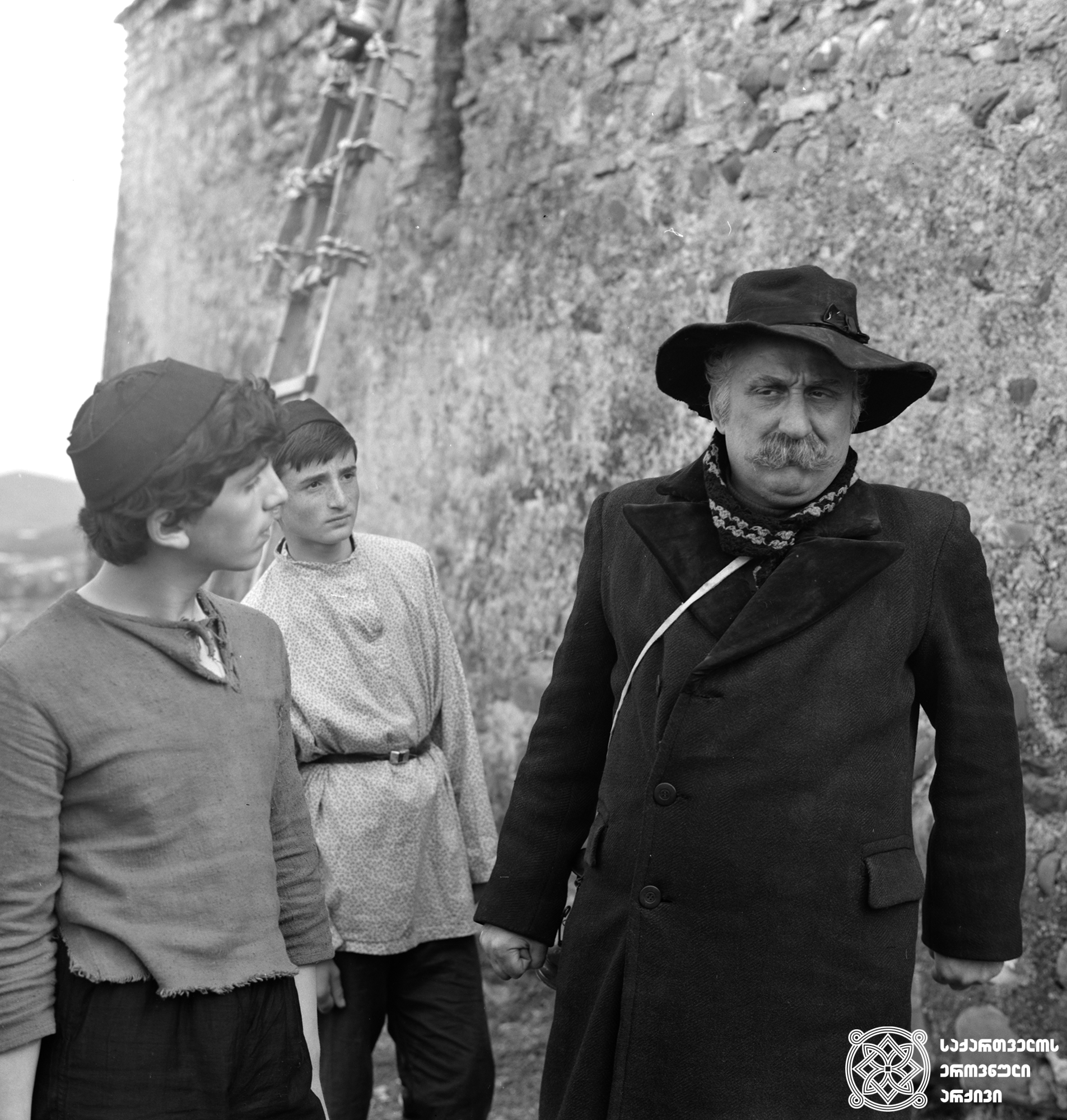
 

Photo: Commentators Kote Makharadze and Erosi Manjgaladze during the “Golden Match” (Dinamo Tbilisi vs. Torpedo Moscow), 1964.

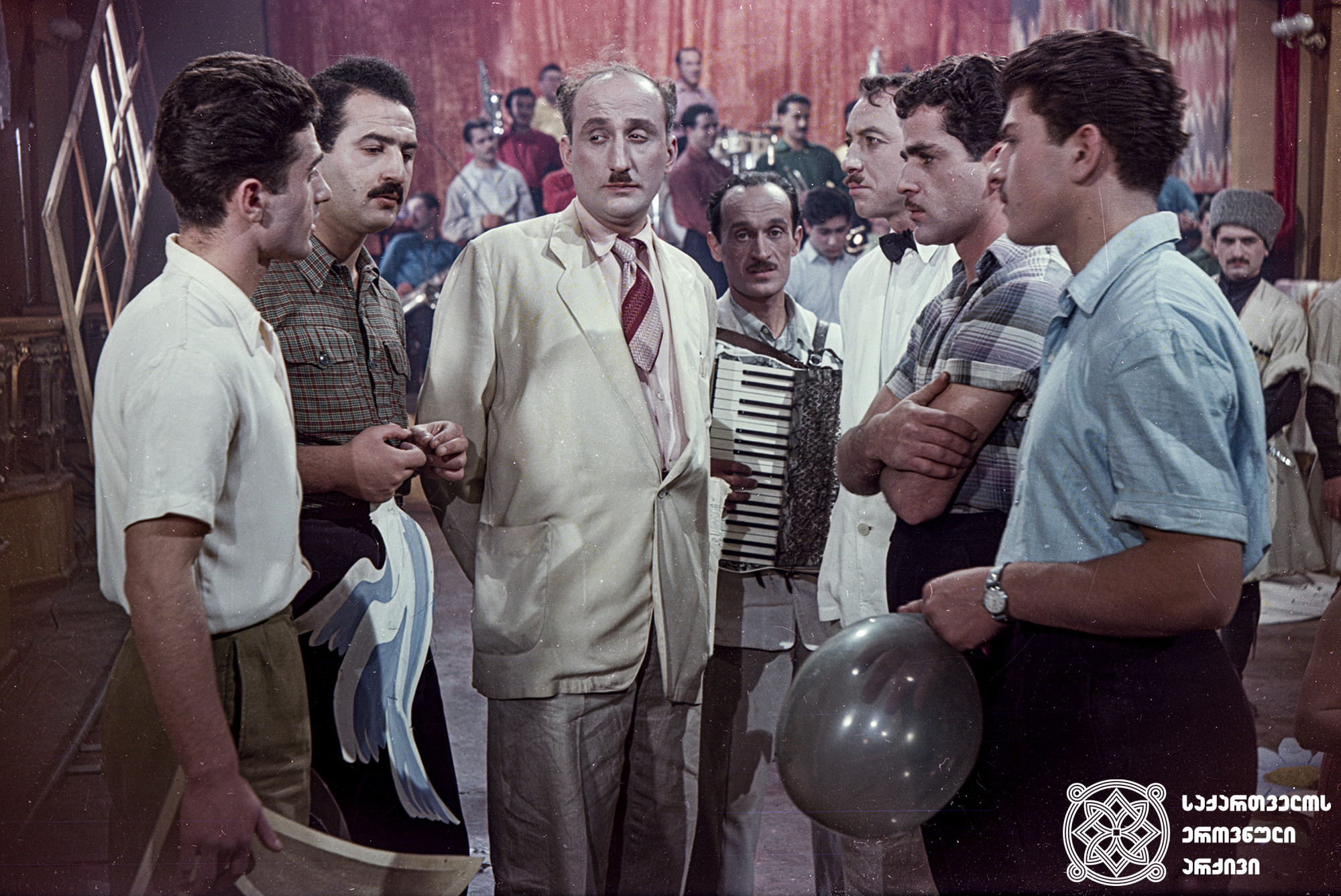
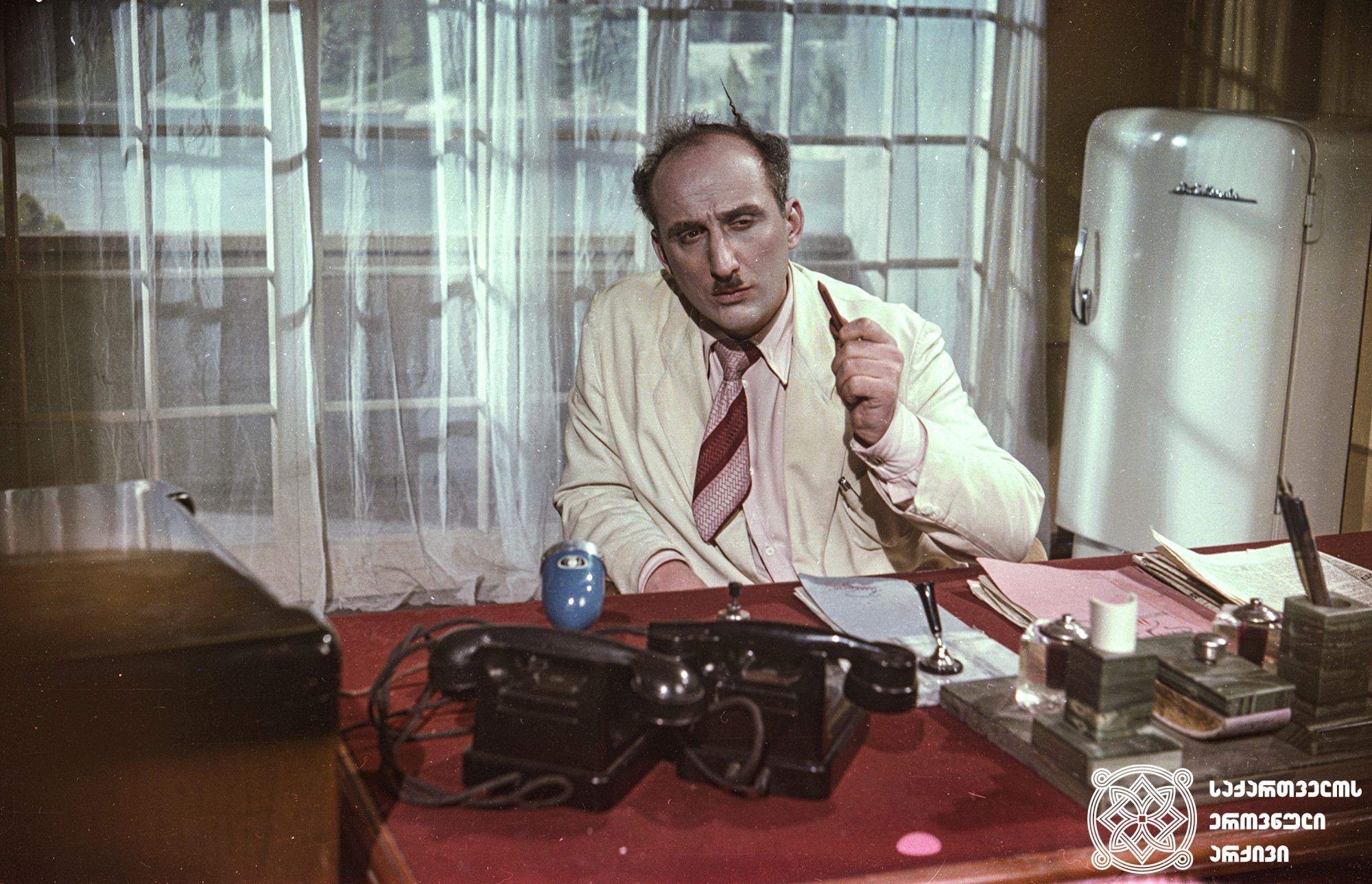
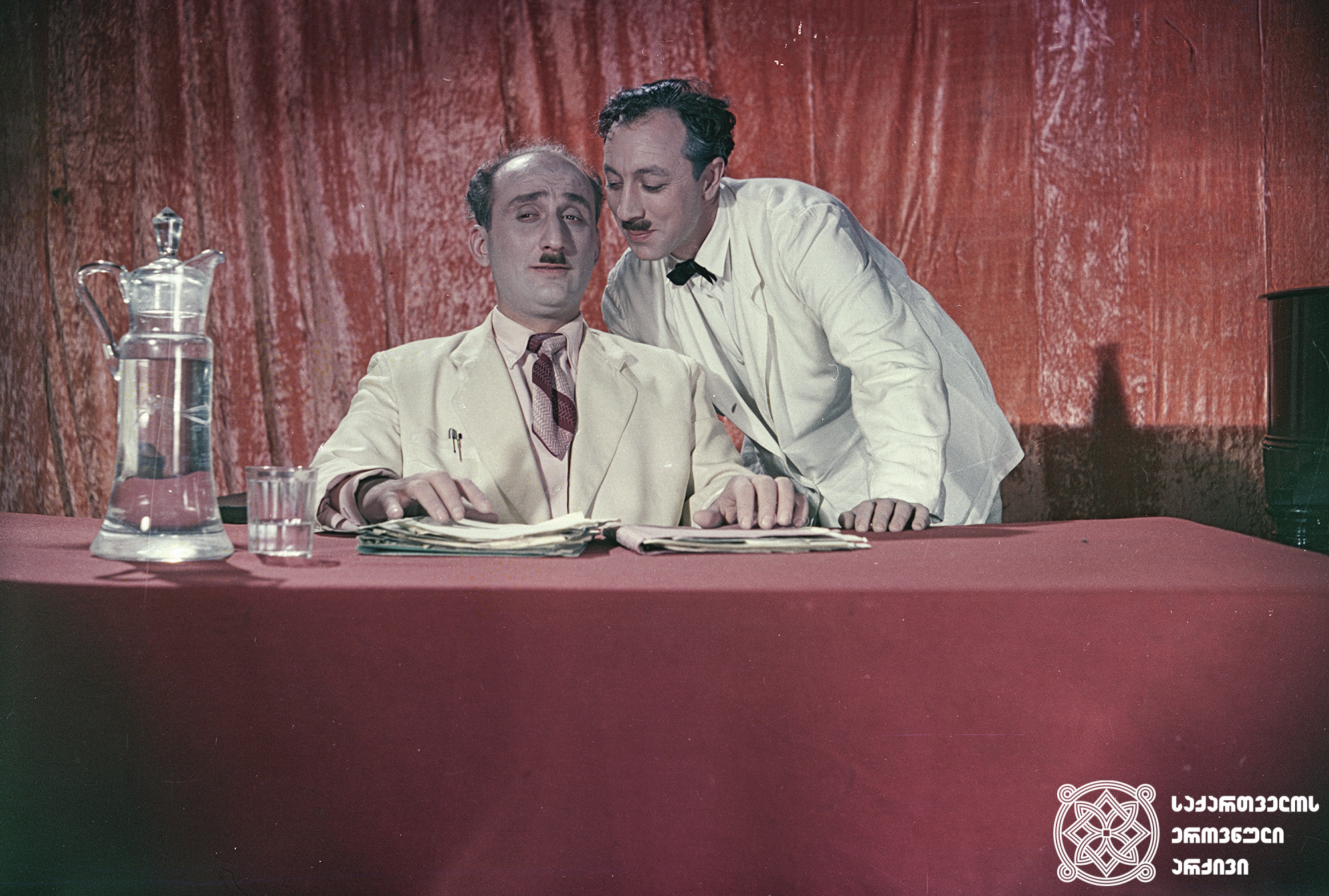
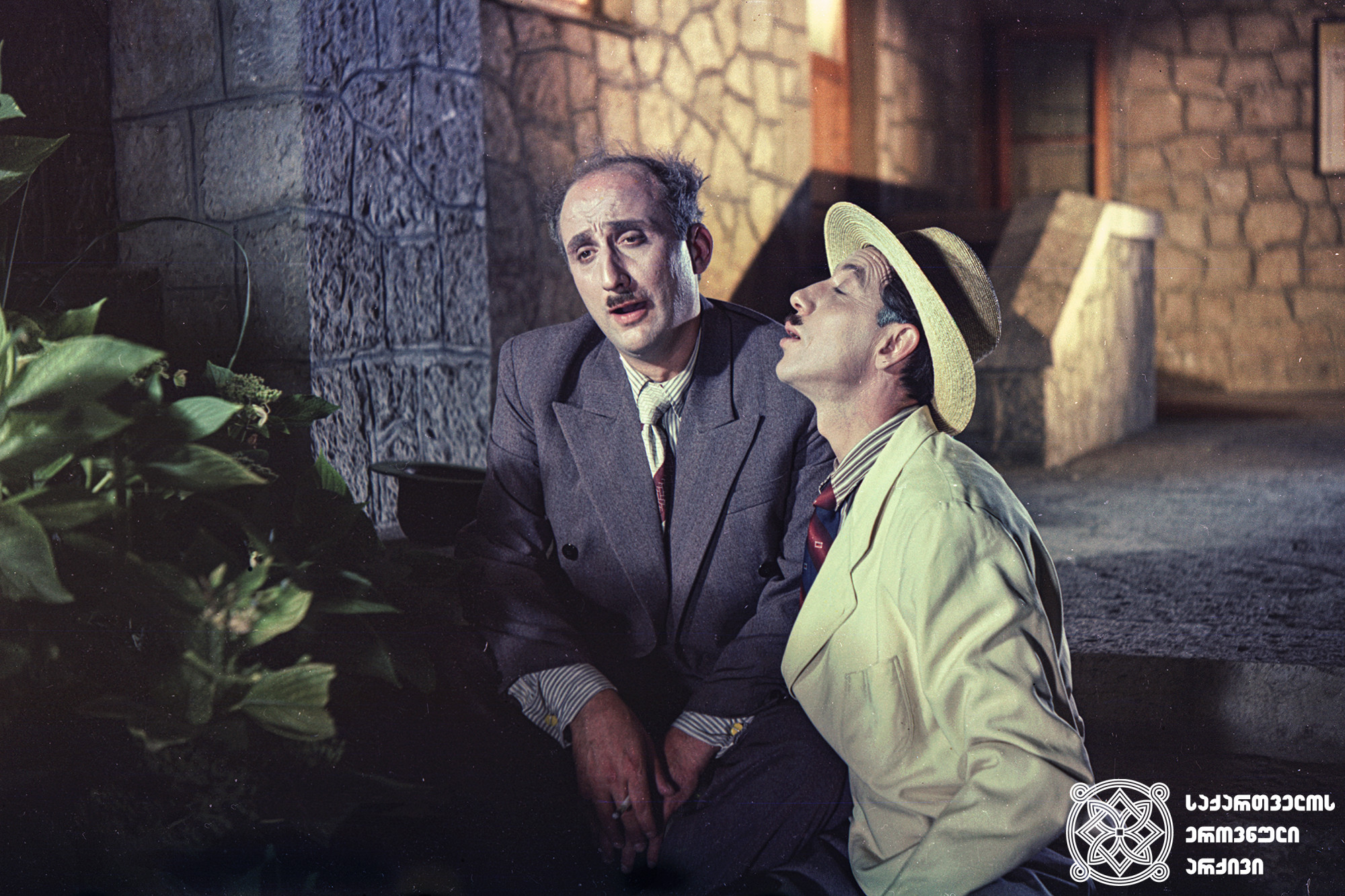
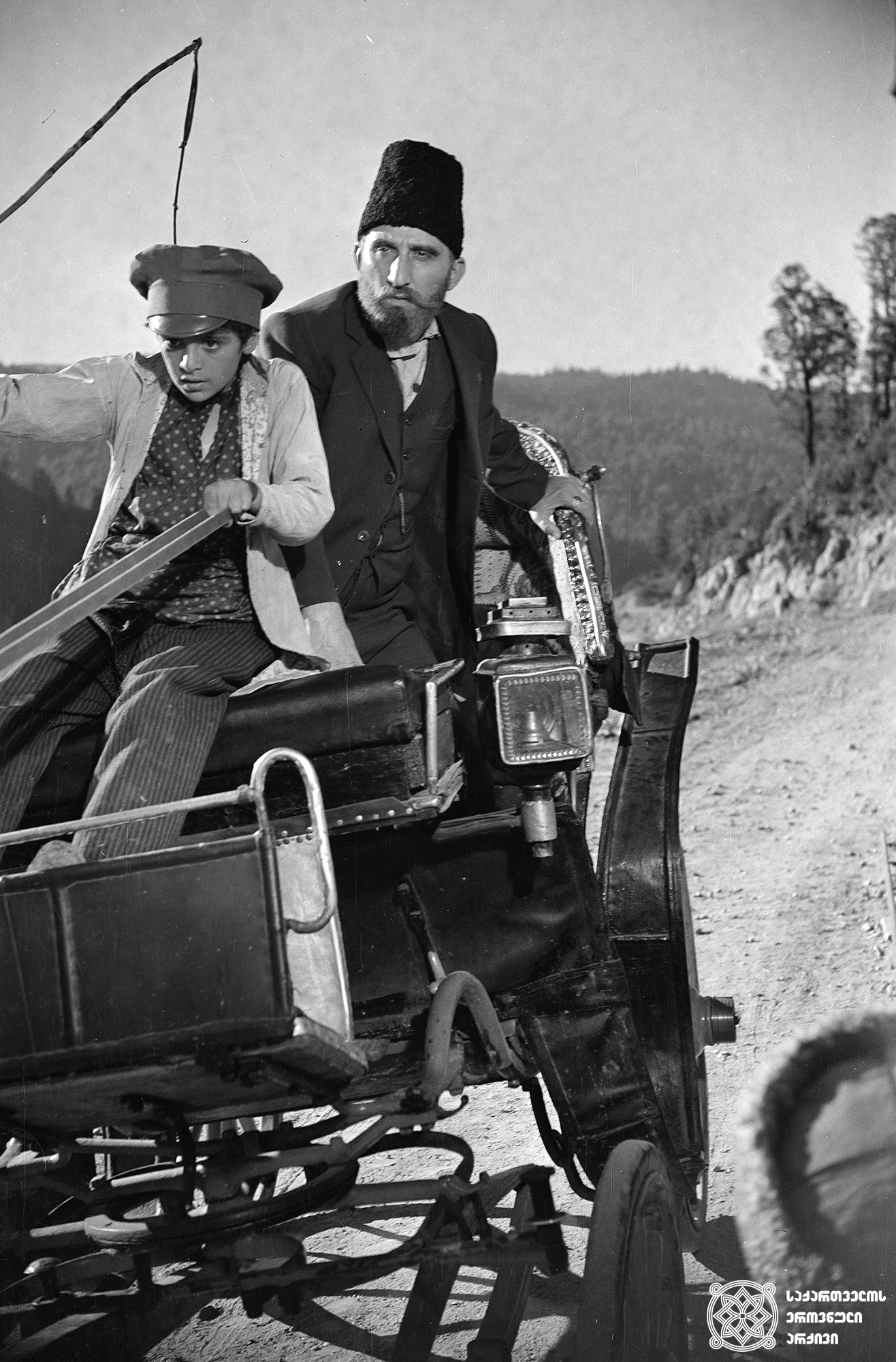
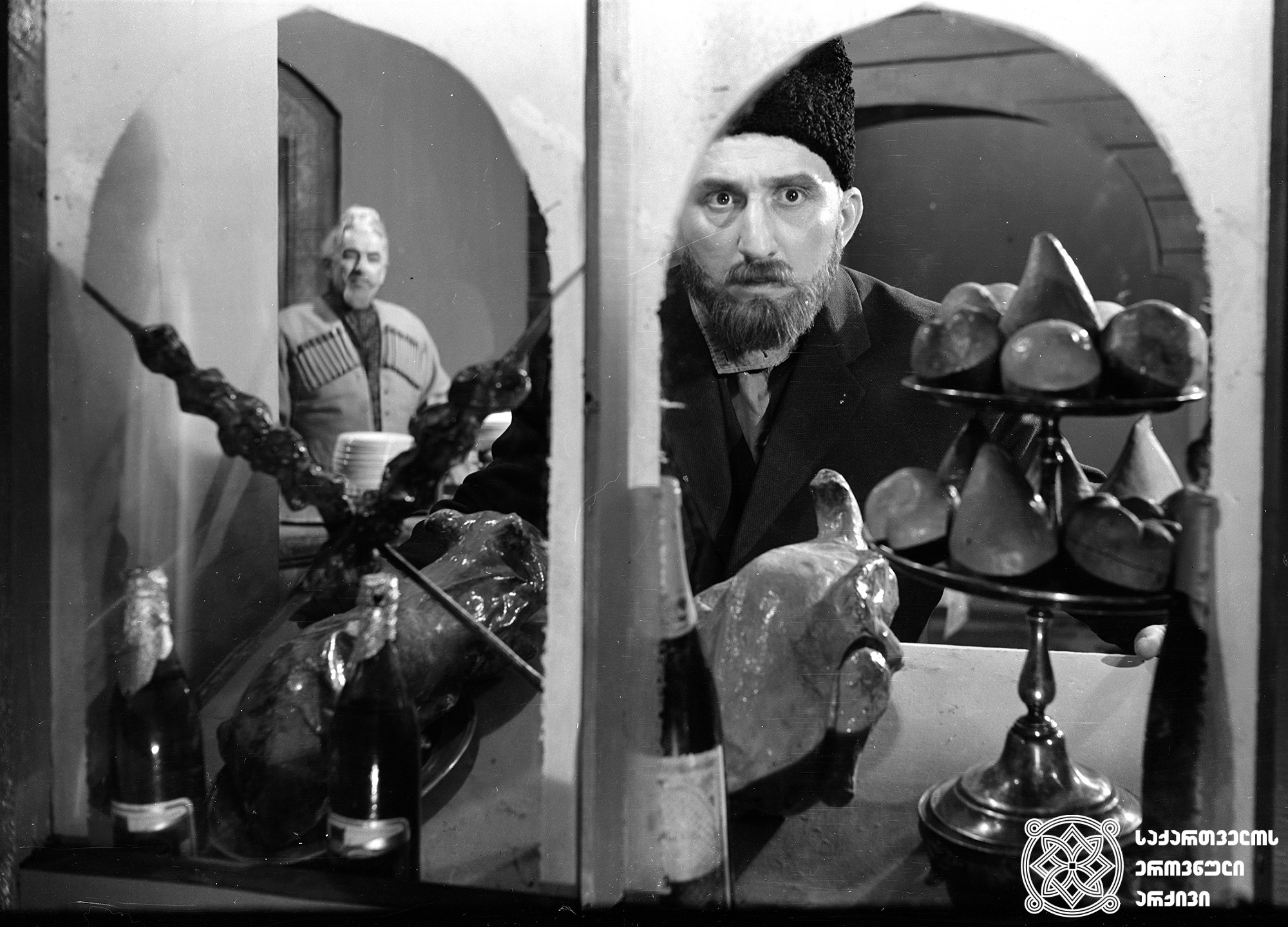
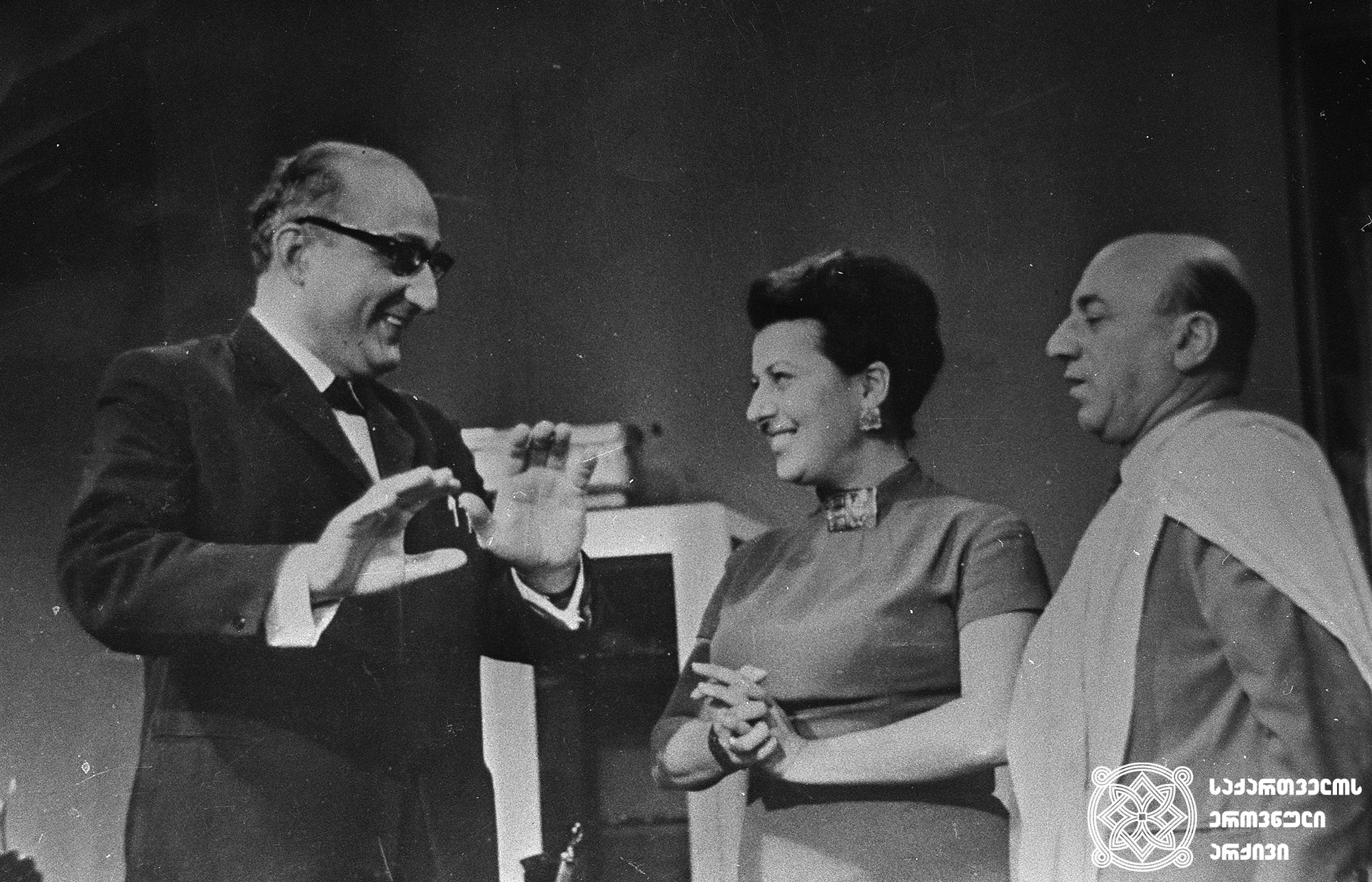
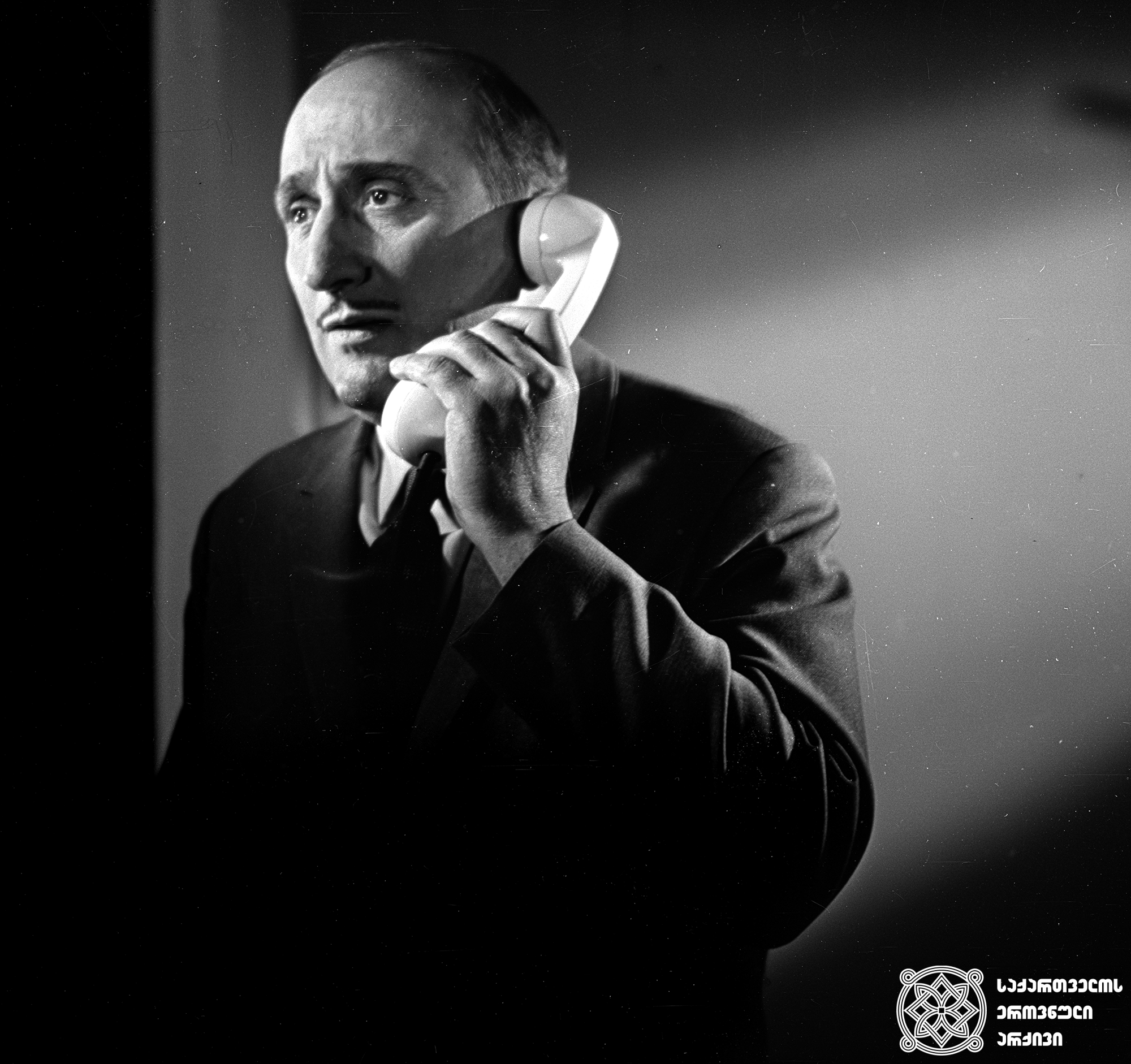
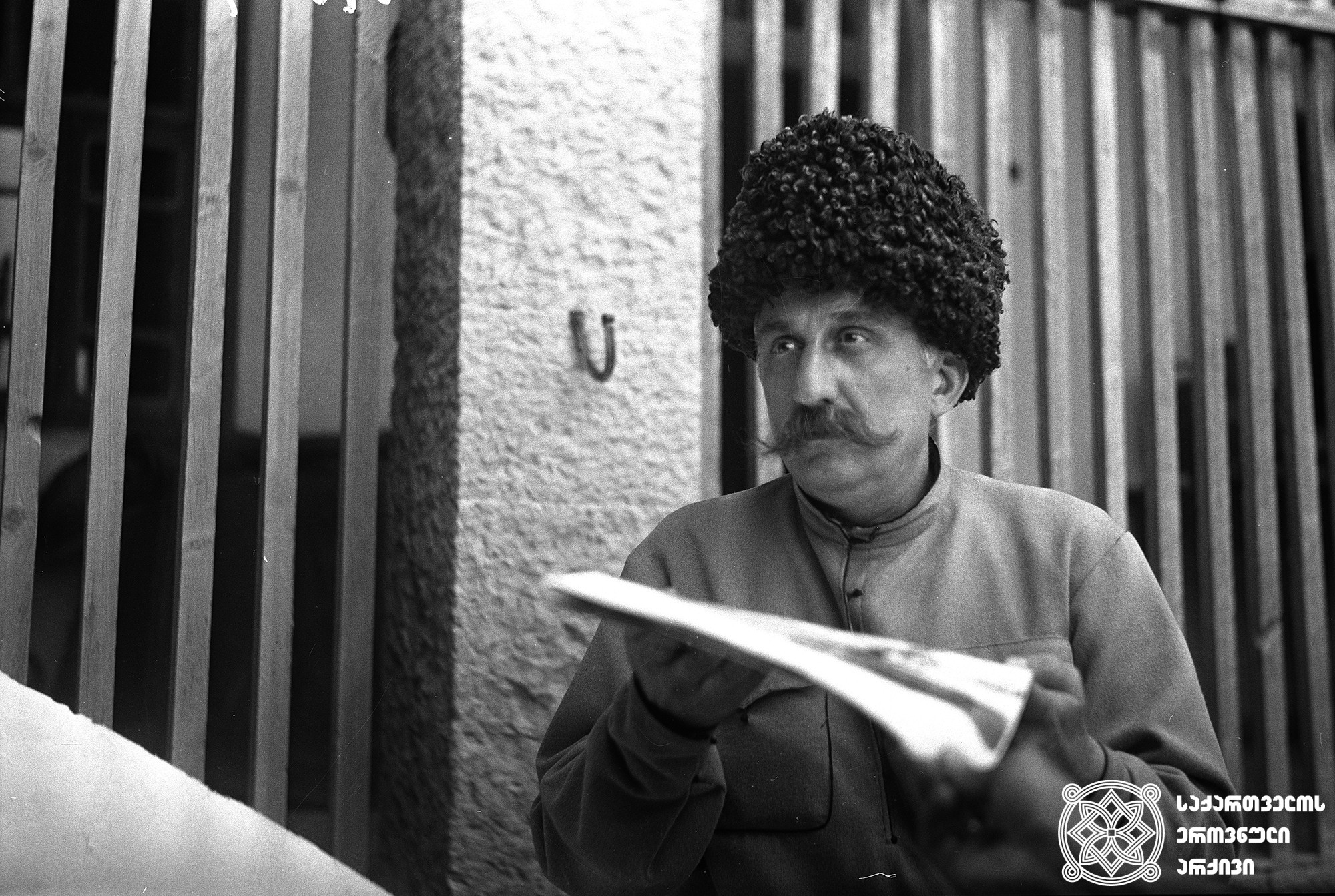
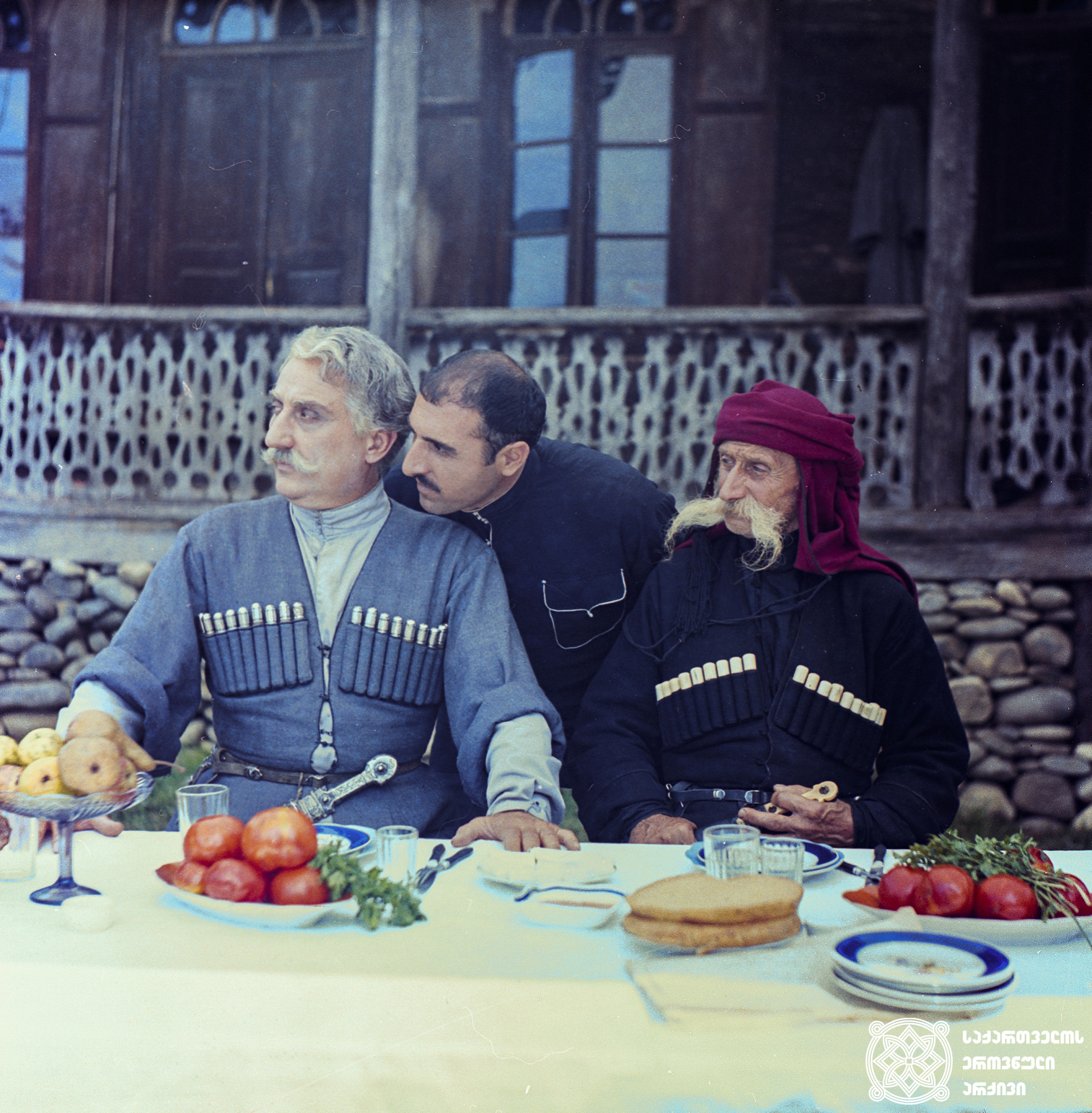
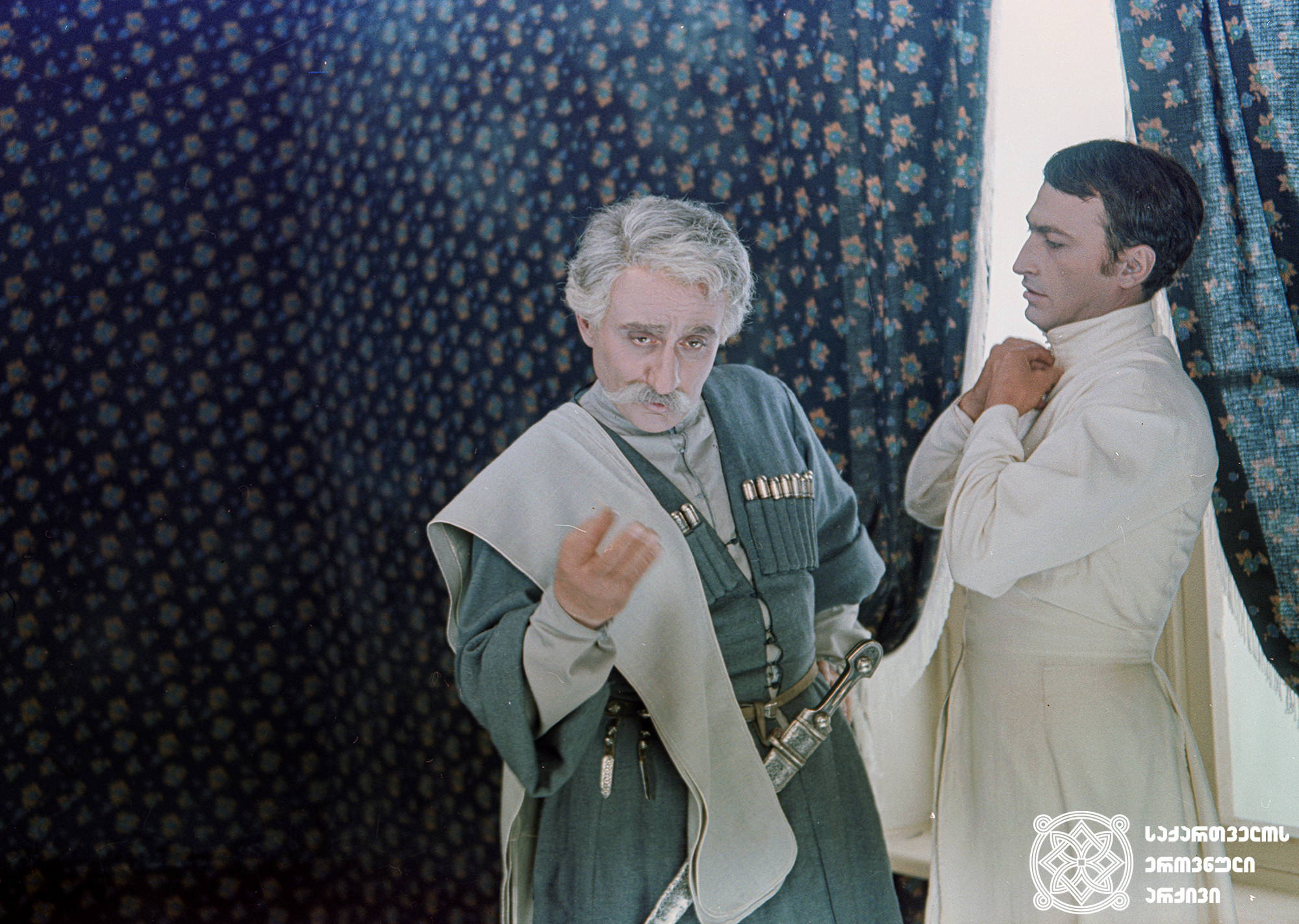
Since 1959, Erosi Manjgaladze appeared in feature films. His first film role was that of Aleksandre in The Past Summer

Feature film Chiakokona, on the film set. Khosro – Erosi Manjgaladze. Directed by Irakli Kavtaradze. 1961

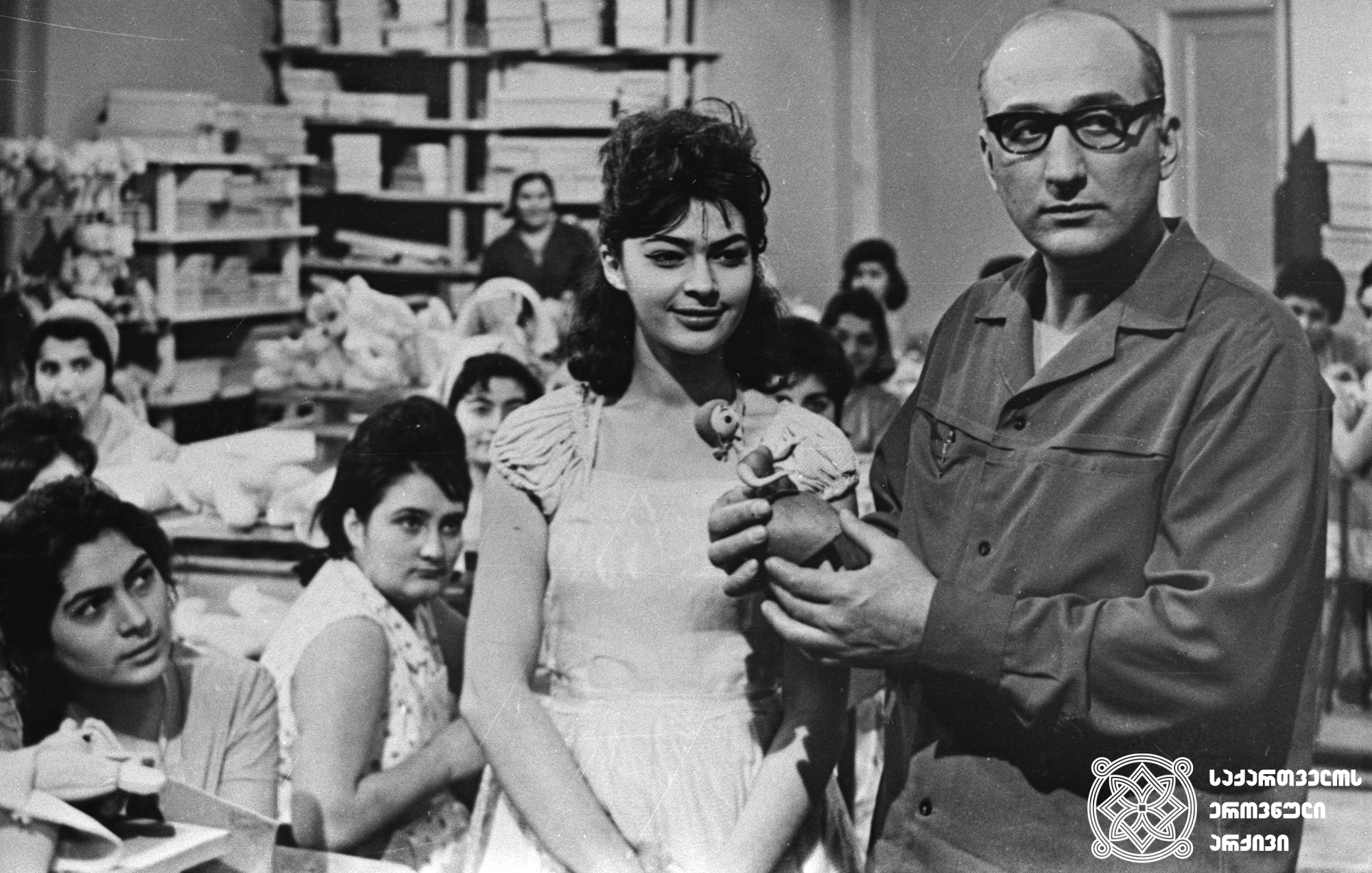
Feature film Puppets Are Laughing, on the film set. Severian – Erosi Manjgaladze; Alisa – Marina Tbilელი; Meliton – Ipolite Khvichia; Nutsa – Sesilia Takaishvili; Lali – Megi Kejeradze. Directed by Nikoloz Sanishvili. 1963

Feature film Sorry, Death Awaits You, on the film set. Datiko Khutsishvili – Erosi Manjgaladze. Directed by Guguli Mgeladze. 1965

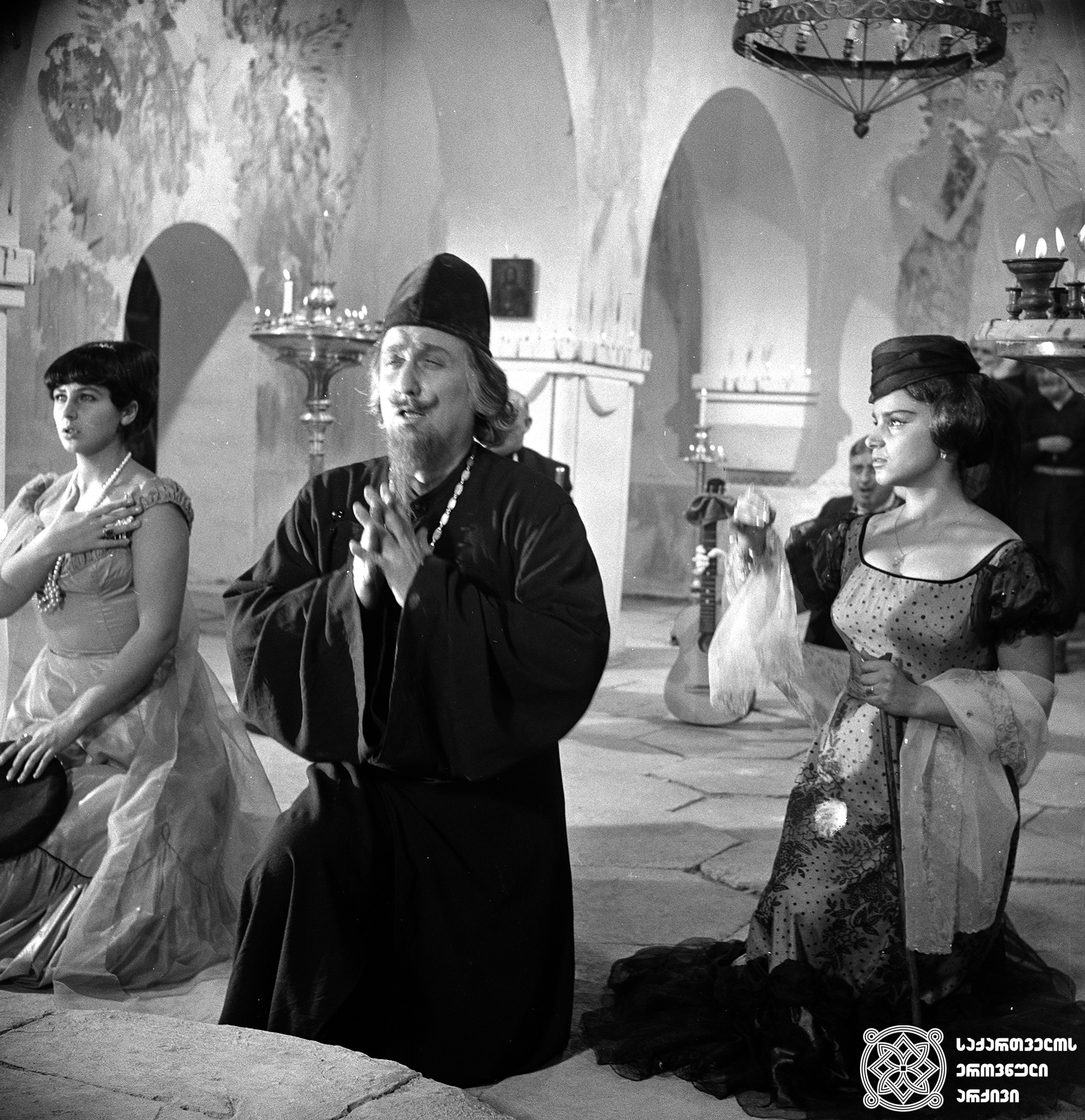
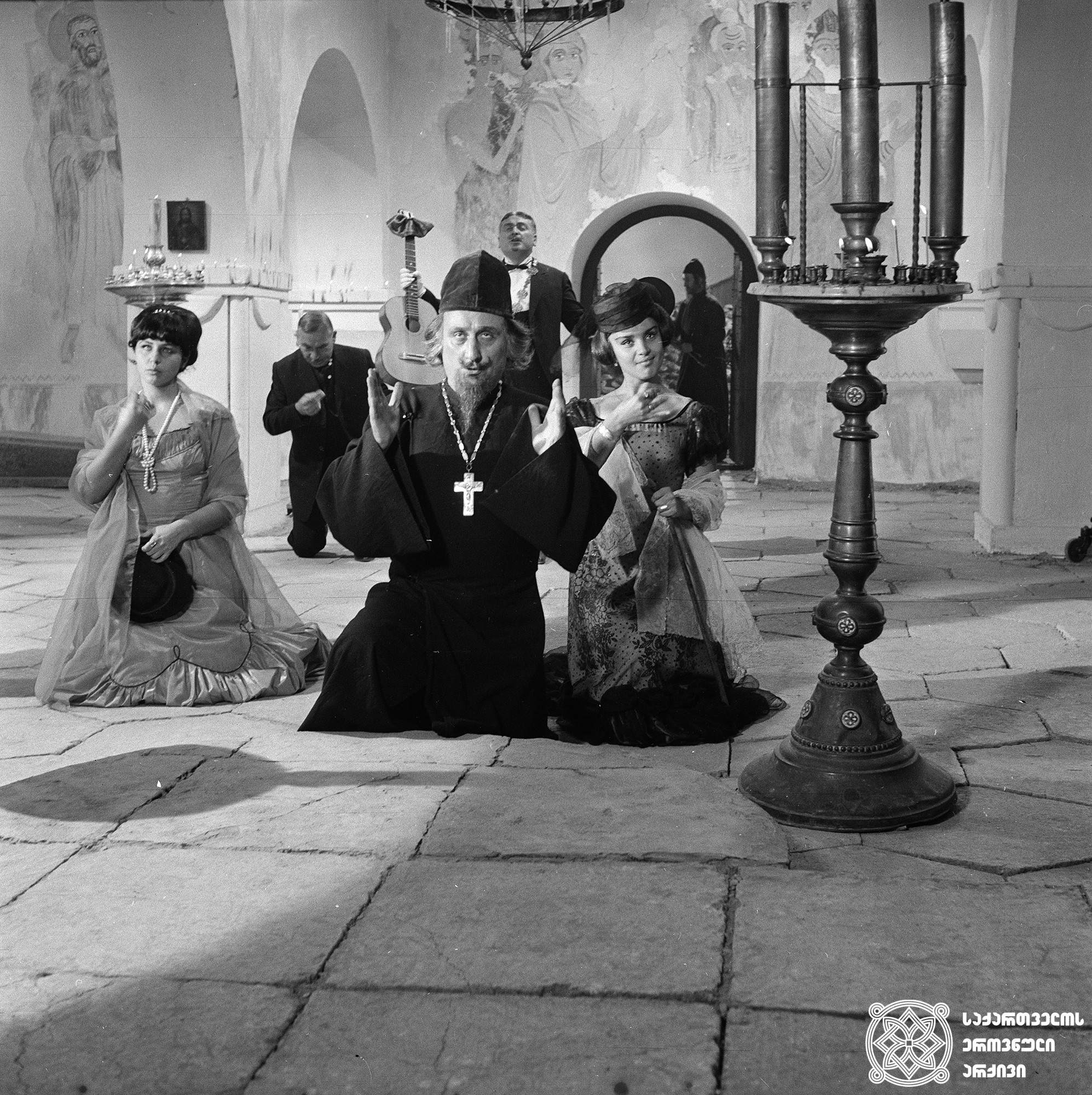
Feature film Londre, behind the scenes. The Priest – Erosi Manjgaladze; Amethyst – Lia Gudadze. Director: Tamaz Meliava. 1968

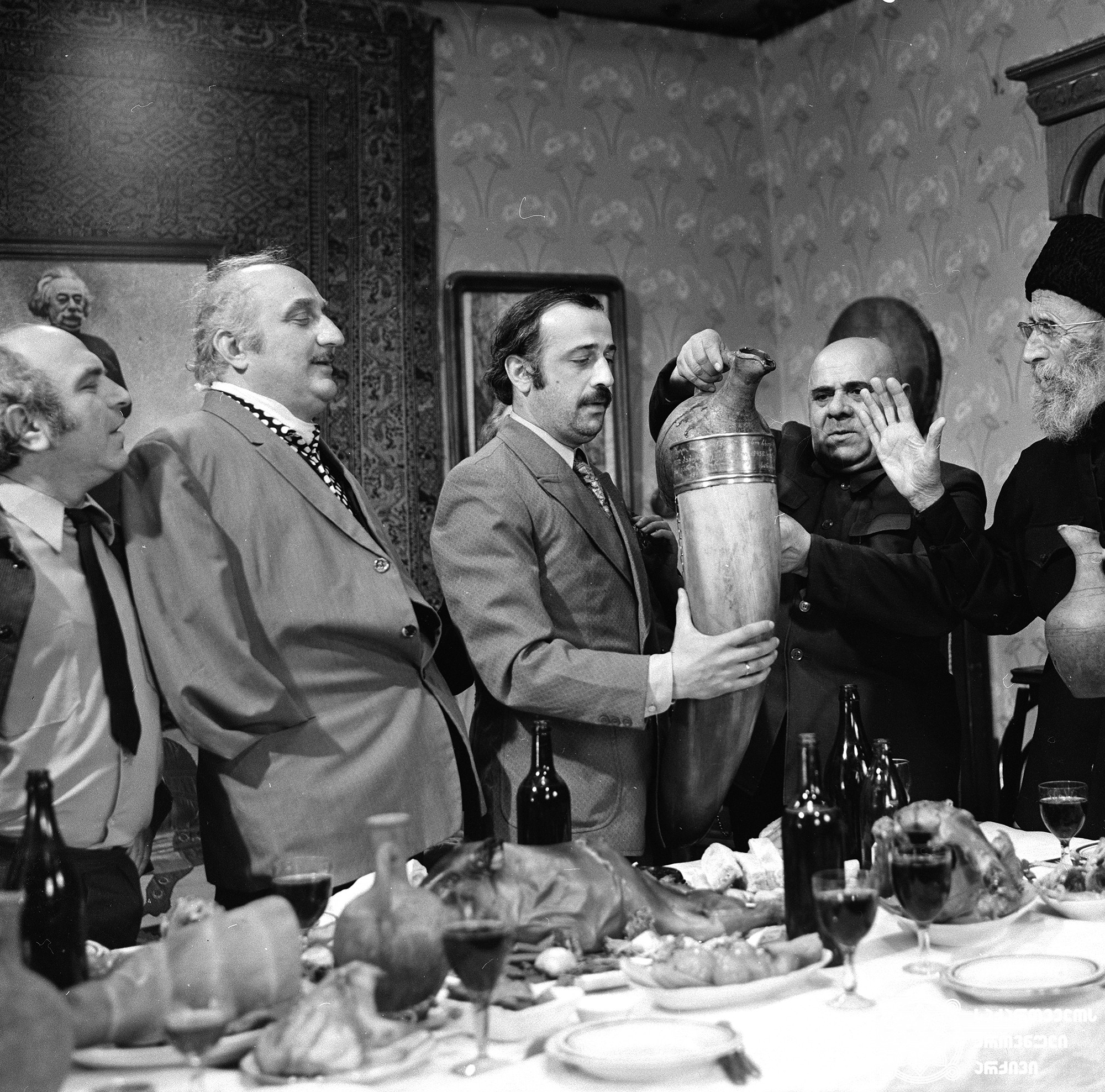
An excerpt from the film Kvevri

Erosi Manjgaladze as the Chief of Police. Director: Irakli Kvirikadze. 1970

Feature film A Necklace for His Beloved, behind the scenes. Durdurumi – Erosi Manjgaladze. Director: Tengiz Abuladze. 1974

Feature film Melodies of the Vera Quarter, behind the scenes. Agha Geurkovi – Erosi Manjgaladze. Director: Giorgi Shengelaia. 1974

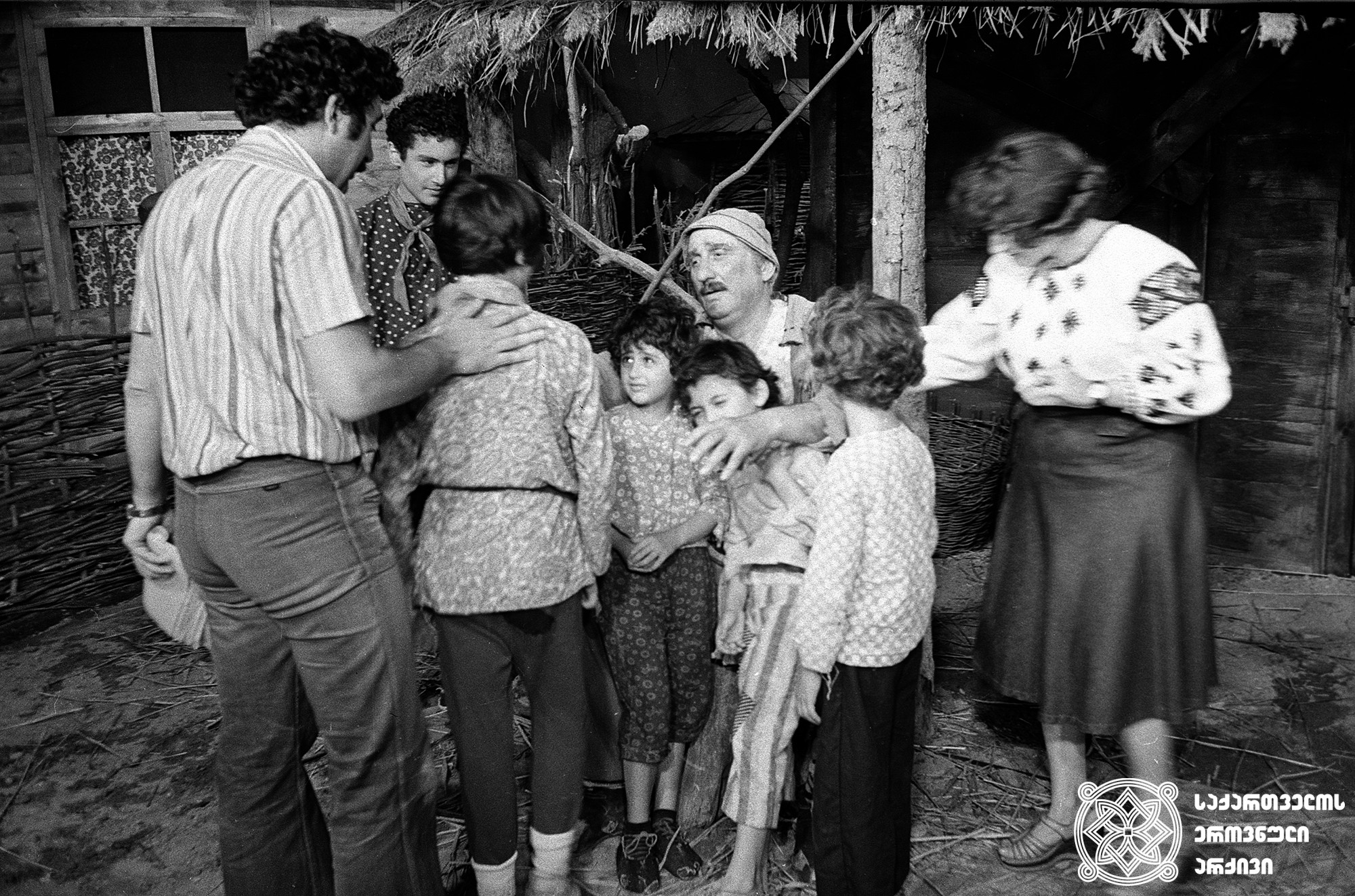
Feature film The Abduction of the Moon, behind the scenes. Gvanji – Erosi Manjgaladze; Tarash Emkhvari – Geydar Palavandishvili; Lukaia Labakhua – Valodia Tsuladze; Joto – Ruslan Mikaberidze. Director: Tamaz Meliava. 1973

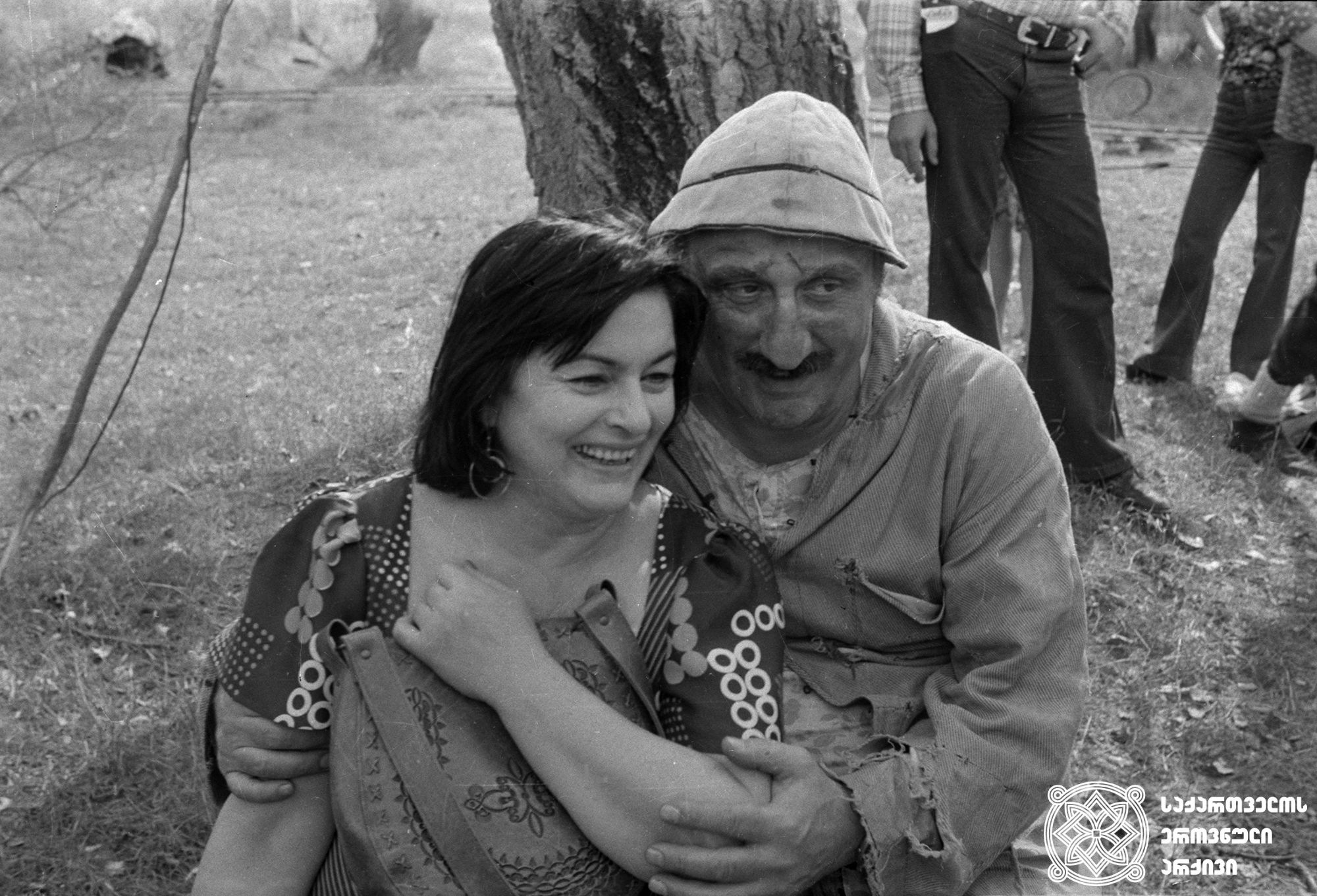
Feature film The Wishing Tree, behind the scenes. Bunbula – Erosi Manjgaladze. Director: Tengiz Abuladze. 1976

An excerpt from the feature film The City of Anara. Firuz – Erosi Manjgaladze. Director: Irakli Kvirikadze. 1976

Feature film The City of Anara, behind the scenes. Firuz – Erosi Manjgaladze. Director: Irakli Kvirikadze. 1976

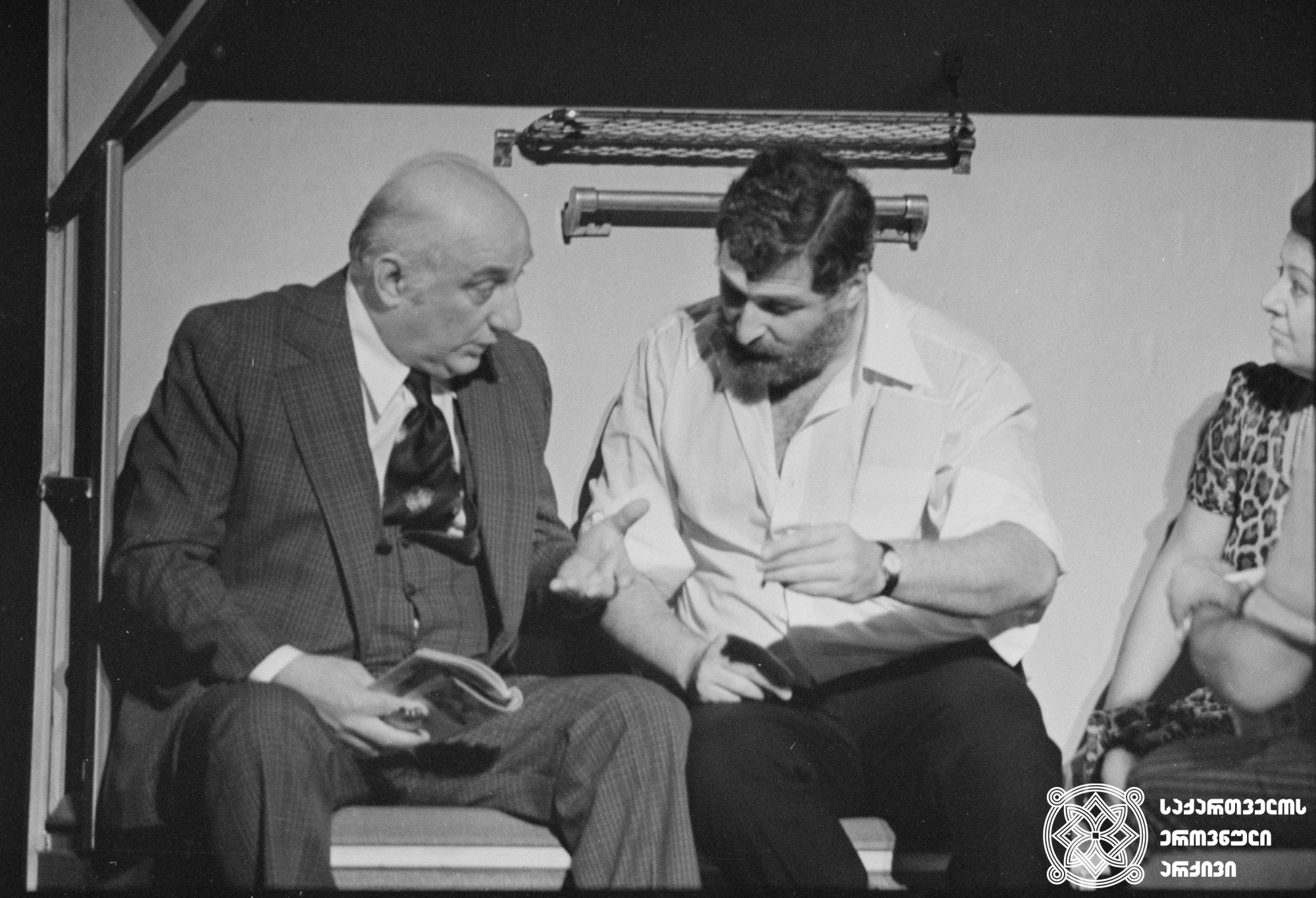
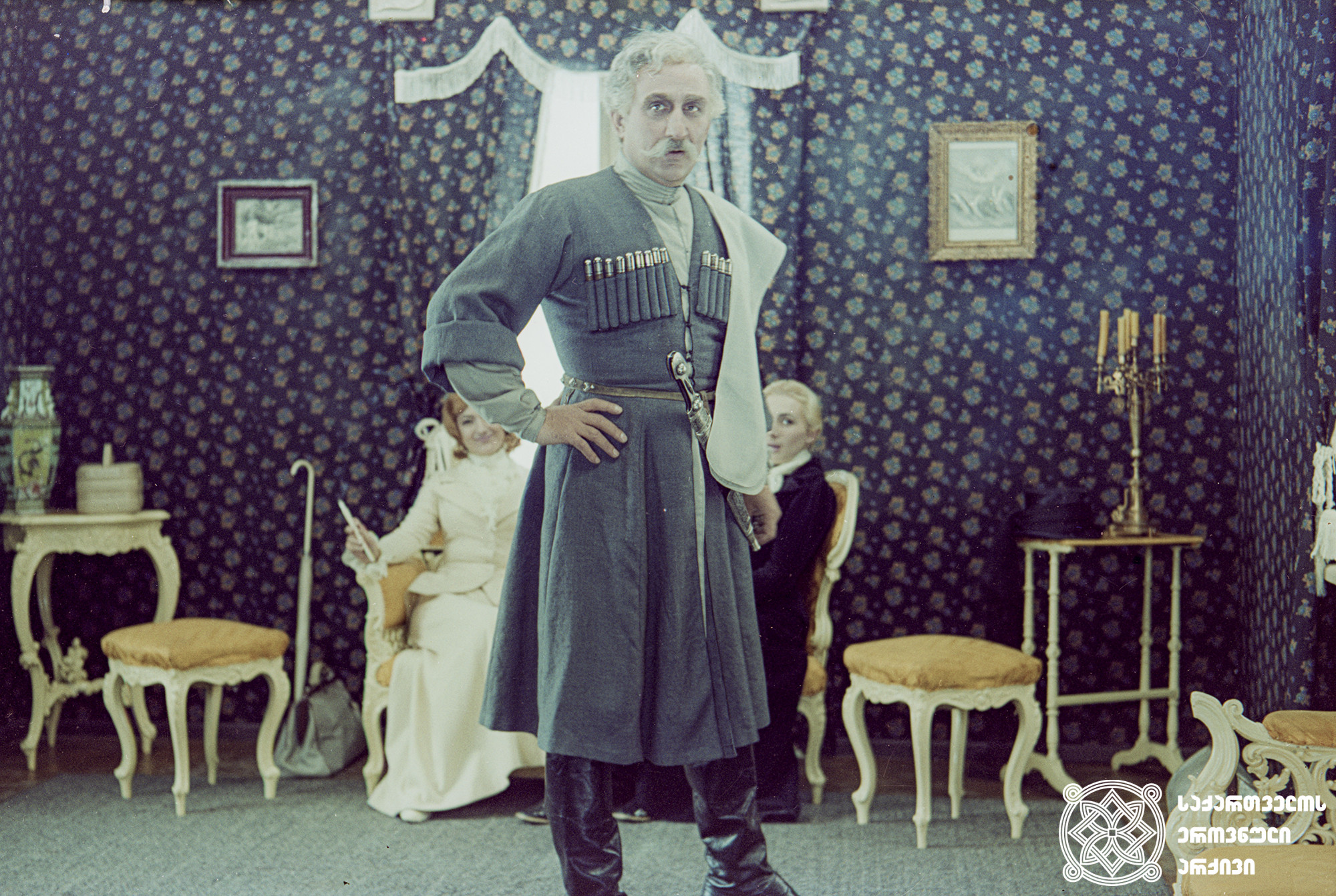
Feature film Tbilisi, Paris, Tbilisi, behind the scenes. General Durmishkhani – Erosi Manjgaladze; Tea Shervashidze – Leila Abashidze. Director: Leila Abashidze. 1980

Posters of feature films starring Erosi Manjgaladze

In January 1982, at the age of 56, Erosi Manjgaladze passed away suddenly from a heart attack. He is buried at the Didube Pantheon of Writers and Public Figures in Tbilisi.

Farewell (To Erosi Manjgaladze)


„ცუდი კაცი ვარ

და ნამდვილად ღირსი ვარ კიცხვის

ცოცხალი რომ აღარა ხარ,

ლექსს მაშინ გიძღვნი


განათლულია შენი ნიჭი ქართულ ემბაზით

ქართული სულის მეჩუქურთმევ, მჭედელ-ხარატო,

რა უნდა გითხრა სხვის გაგება - ერთგულებაზე,

როცა კაცს, თურმე, საკუთარი გულიც გღალატობს.


თხემით ტერფამდე შენ იყავი მართლა ქართველი

და მაინც დარჩი ავთანდილი უშერმადინო,

არ მინდა გითხრა სხვებისათვის რაც მაქვს სათქმელი,

ვაითუ, ახლაც, სიკვდილშიაც, გული გატკინო.


ჯერ არე იყო ... და სიკვდილის ვინ მოგცა ნება,

უკანასკნელი ეს ვინ მოგცა სიკვდილის როლი?

სულაც არ მიკვირს, თუ უბრალო მოკვდავი ცდება,

ზოგჯერ სამყაროს რეჟისორიც არ არის სწორი!


ეიფელის კოშკს შენ გერჩია ჯვარი და გრემი,

უცხოთა „ბრავოს“ - აღტაცების ქართლი ცრემლი

დიდებისათვის არ წასულხარ არსად სალაშქროდ,

ამერ-მერში მაინც ქუხდი გაღმა-გამოღმა...


სიკვდილის როლსაც რა უღმერთო ძალით თამაშობ,...

ო, მაგ როლიდან ვერასოდეს ვეღარ გამოხვალ...

დაეშვა ფარდა... წინაპრებმა ყიჟინით გიხმეს,

ჟრიალი გააქვთ ხის შუბებს და მუყაოს ფარებს...


ადექ, მაესტრო!

და ჩვენს ქართულ ეროვნულ ნიღბებს

მარადისობის კულისებში წარუძეხ ბარემ!“


                                                 Shota Nishnianidze

Aphrasion – Dodo Abashidze; Datiko – Erosi Manjgaladze.

Feature film Sorry, Death Awaits You, behind the scenes.

Director: Guguli Mgeladze.

1965.

Dodo Abashidze’s recollections of Erosi Manjgaladze, 1982:


„თითქოს ადვილი უნდა იყოს ეროსიზე ლაპარაკი, თითქოს არ უნდა იყოს რთული პიროვნება.

მარტივი იყო, როგორც ყველა ჭეშმარიტი ხელოვანი, უბრალო, ხელმისაწვდომი...

თავში მერევა ყველაფერი, მინდა დავიწყო, ვერ დავმშვიდდი, ერთად ვერ შევაერთე გონება და გული, რომ ქაღალდზე გადავიტანო...

საიდან დავიწყო?

ალბათ დრო უნდა გავიდეს, ბევრი დრო, რომ თავი მოვუყარო ყველაფერს. მართალი ვთქვა — ამასაც დრო უნდა.

მხოლოდ მართალი...

რასაკვირველია, ჩვეულებრივი მოვლენა არ იყო მისი არსებობა ჩვენს შორის, ჩვენს სცენაზე, არც მისი ხმა, არც მისი ნიჭი, არც მისი კაცობა, რომელსაც ქალწულური ხელშეუხებლობა აჩნდა. არ იყო ჩვეულებრივი.

ეროსი მართალი კაცი იყო. ასეთების ხვედრი უფრო ტანჯვაა, ვიდრე ბედნიერება.

როცა სუფრაზე „ტიალო დარიალაოს“ ან „ბრადიაგას" წამოიწყებდა, აი მაშინ თავისუფლდებოდა მისი სხეული ჭირისა და ვარამისაგან.

აქ იყო ის შეუზღუდავი, თავისთავადი, ბედნიერი...

დაჯერებული ქუხდა ჯადოქარი ხმა, საოცარი, ლამაზი, ძლიერი, განუმეორებელი

კაცის ყურს პირველად რომ მოხვდება გვარი მანჯგალაძე, მაინც და მაინც დიდ ჟღერადობას არ გამოსცემს - შეიძლება ასოციაციაც კი გაგიჩნდეს მეჯღანუაშვილზე.

რა საოცარი სახელი და გვარი გახდა, რა ლამაზი - ეროსი მანჯგალაძე...

სახელი ეროსი ჩემი თანდასწრებით ბევრს შეშლია, ეძახდნენ - ევროსის, ლავროსის, გერვასის, ეროსპის.

ეს იყო ქობულეთში, სოსო ღოღობერიძესთან, სუფრაზე, კაცმა ეროსის სადღეგრძელო ასე დაიწყო - ბატონო თერმოსიო.

აი, აქ კი იკივლა ეროსიმ, ყველა, ყველა, მაგრამ თერმოსიო!  და ჩაბჟირდა სიცილისაგან...

როგორი იყო ჩვენი პირველი გაცნობა, იციან ახლობლებმა...

ცხოვრების მანძილზე ასეთი რამე-რუმეების გახსენება იყო ინტერმედია სიმხიარულისა, რომელიც გუნებაზე გვაყენებდა, ჩვენ და ჩვენ გარშემო მყოფებს.

ისმენდა ეროსი თავდახრილი, მომღიმარი ქვევიდან, ის იშვიათად გვიყურებდა პირდაპირ, ოდნავ დარცხვენილი. თითქოს არ უნდოდა შენი შეწუხება. ამაში იყო რაღაც იდუმალი, ფაქიზი, სუფთა. ჩემთვის დღემდე ამოუხსნელი.

ლამაზი ოჯახი, მისი ლამაზი დედა თამარი, მრავალი წლების განმავლობაში ლოგინს მიჯაჭვული, მამა  - აკაკი, ნაწვალები კაცი.

ძმა ჯარში დაკარგული და ბოლოს სათნო, მშვენიერი და ბელა, სიძე ირაკლი, მათი შვილები...

რა შვილობა, რა ძმობა, რა მეგობრობა... სამაგალითო მეგობრობა გვქონდა მე და ეროსის, სავსე კეთილშობილებით, იუმორით, სახუმარო თავგადასავლებით, საოცარი სიფაქიზით, რაც ესოდენ უხვად იყო მის ბუნებაში.

მორიდებული, მორჩილი ბავშვივით,

მართალი ბავშვივით...

ეროსი ჩემი ჯილა იყო. მე ბედნიერ კაცად ვთვლი ჩემს თავს, რომ მომიხდა ცხოვრება მასთან ერთად როგორც კაცს, მოქალაქეს, პარტნიორსა და მეგობარს.

ამ ძვირფას სახელსა და გვარს, რასაც ეროსი მანჯგალაძე ჰქვია, მე კიდევ შემოვუბრუნდები გვიან და უფრო ვრცლად...

განა ეროსი ისეთი კაცი იყო, რომ ნაწყენი და სევდანარევი წასულიყო ამ ქვეყნიდან? 

თეატრი იყო სამყარო, ურომლისოდაც ერთი წუთი ცხოვრება არ შეეძლო.

თეატრი პირველ ყოვლისა აზრის ტაძარია და ვინც ემსახურება ამ ტაძარს, უნდა აზროვნებდეს...

უშეცდომო თეატრი არ არსებობს, ისევე როგორც ცხოვრება, მაგრამ გააჩნია შეცდომებს...

ის, რაც რუსთაველის თეატრმა გადაიტანა უახლოეს წარსულში - შეცდომად არ შეიძლება ჩაითვალოს, ამას ტრაგედია ჰქვია. უკვალოდ არაფერ არ ქრება ქვეყანაზე, მითუმეტეს, ტრაგედია.

ეროსი ჩემთვის მთელი ცხოვრება იყო, უკეთ რომ ვთქვა, ცხოვრების შევსება.

მისი დამოკიდებულება ჩემდამი სავსე იყო ძმობით, ნდობით, მან იცოდა ჩემი სული, მე ვიცოდი მისი უტყუარობა.

მის გარშემო ყოველთვის ხალხი იყო, ფუსფუსი იყო, მაგრამ მაინც განმარტოებული მეჩვენებოდა.

იგი მარტო იყო...

იყო მასში იდუმალება...

მისი მთელი ცხოვრება კაცური კაცის, უმწიკვლო კაცის ცხოვრება იყო.“

The materials used on this page are preserved at the National Archives of Georgia.


Page created by: Tea Kimeridze, Tamar Tavartkiladze, Ana Mgebrishvili, Khatia Kinkladze, Marina Skhirtladze, Giorgi Kakabadze, Ketevan Asatiani, Ketevan Sadagishvili, Mariam Gunia, Sophio Fatsiashvili, Nino Sarajishvili, Valeri Levchenko.